Linguistic categories shape European perspectives on China
Headline and summary by local AI
Linguist Ksenia Kozha explains how European perceptions of China have shifted based on different linguistic frameworks over centuries.
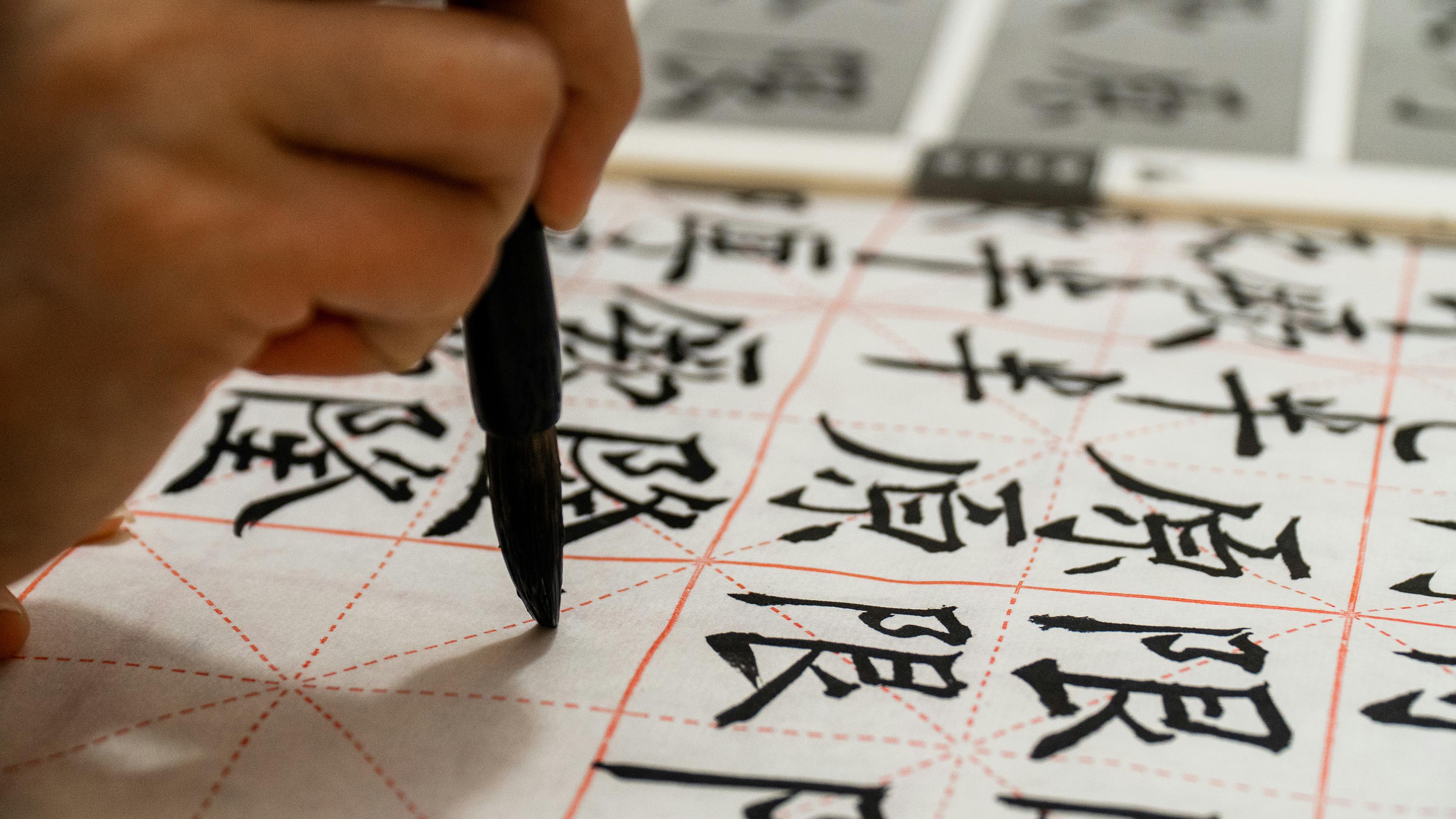
Kozha traces this history back to the 17th century, when Francis Bacon described Chinese characters as signs for notions rather than just speech. During this period, some scholars viewed the script as a potential key to a universal language. However, by the 19th century, this admiration shifted toward a linguistic prejudice.
Scholars like August Wilhelm Schlegel and Wilhelm von Humboldt began to categorize Chinese as a language lacking grammatical structure, viewing the script as an obstacle to modernization. The 20th century saw the rise of computing, which initially favored the alphabet but eventually integrated Chinese characters through modern input methods. This technological shift allowed the script to be viewed with renewed interest. Recently, the release of a reasoning model by DeepSeek sparked a new debate about the Chinese script.
Some analysts claimed the density of Chinese characters gave the model a competitive edge, echoing Bacon's earlier theories about the script's direct connection to meaning. The engineers at DeepSeek clarified that their success came from technical engineering rather than the script itself. They used a mixture of experts and low precision arithmetic to train their model on 2,048 Nvidia chips for approximately $5.6 million. Kozha notes that these advancements apply to both Chinese and English text.
She suggests that observers should look past linguistic tropes to understand the actual institutional and technical work behind China's developments.
Selected and summarized by local AI How we work
Discovery: Archaeology, new knowledge of art, culture and history, forgotten history uncovered, something lost restored.
More in Discovery

Community members collect family photos to preserve history of Tierra del Fuego
elpais.com · 22 Nov 2026

Lost 19th century Australian landscape painting found in British charity shop
bbc.co.uk · 22 Nov 2026

Audiobook narrator Sneha Mathan explains her craft and research process
scroll.in · 15 Nov 2026