Ancient Maya sites show mercury contamination from cinnabar use
Headline and summary by local AI
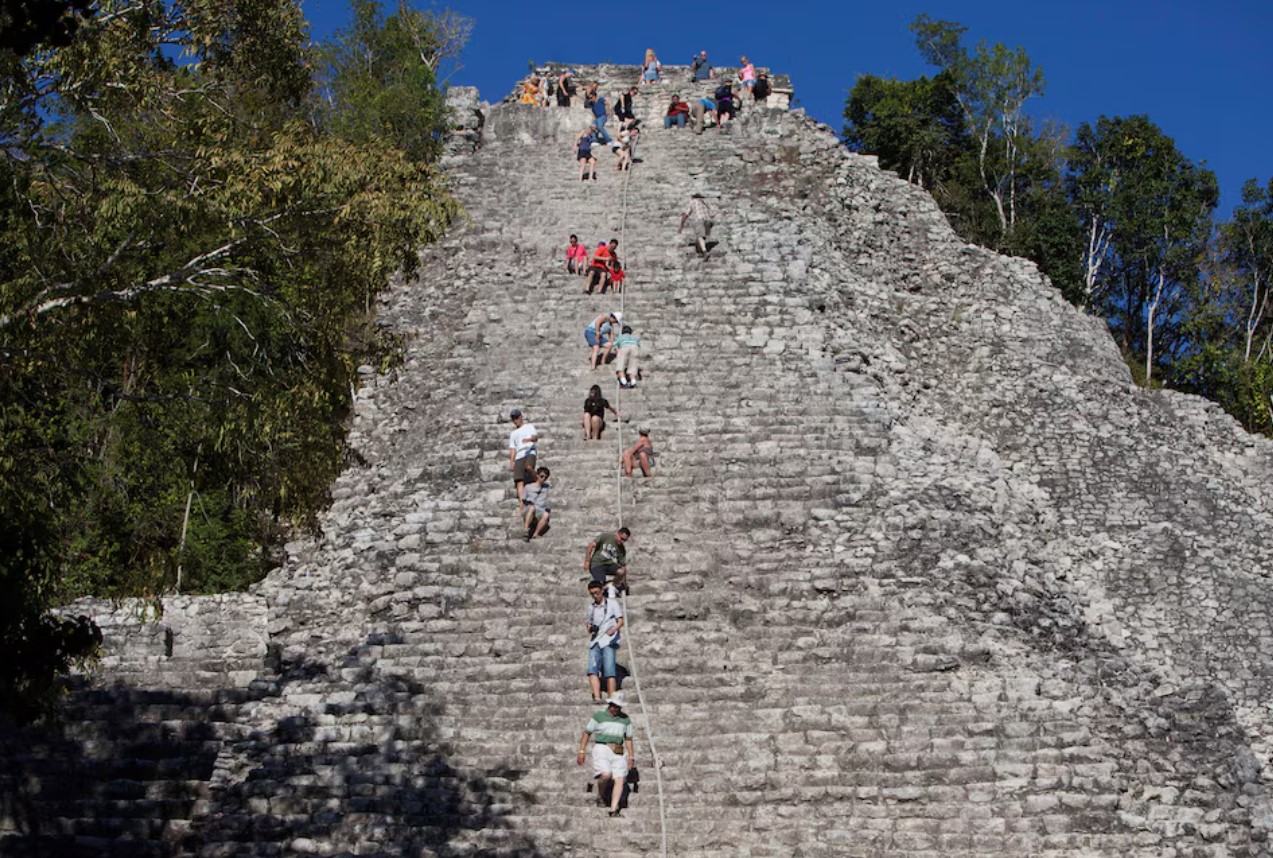
Researchers found high levels of mercury contamination at two ancient Maya cities, Coba and Xcach, on the Yucatan peninsula in Mexico.
The study analyzed sediment samples from beneath lakes at these sites to determine how the use of cinnabar, a red mineral, affected the environment. The team discovered that mercury levels spiked during the Classic Period, the golden age of Maya civilization. At Coba, mercury levels rose around 250 AD and remained high for about 150 years.
At Xcach, the researchers identified three distinct spikes: one between 125 AD and 200 AD, a second during the same period as the Coba spike, and a third between 535 AD and 820 AD. The mercury entered the environment as the Maya people used cinnabar as a pigment for murals and temples, as well as in religious ceremonies. The study found that this mercury leached into the soil and water, where it poisoned aquatic organisms.
Researchers observed that bacteria, algae, and shelled organisms decreased or disappeared from the lakes, suggesting the toxin moved through multiple levels of the food chain. While the researchers do not claim mercury poisoning caused the collapse of Maya cities, they suggest it added to the environmental pressures of the era. The findings imply that Maya people may have been exposed to the toxin by drinking water or eating fish.
The mercury levels at these sites exceeded modern pollution regulations for centuries.
Selected and summarized by local AI How we work
Discovery: Archaeology, new knowledge of art, culture and history, forgotten history uncovered, something lost restored.
More in Discovery

Researchers find only female fossils of Homo naledi in South Africa
sciencesetavenir.fr · 22 Nov 2026

Euskaltzaindi presents critical edition of 17th century basque religious text
berria.eus · 16 Nov 2026

Community beauty shops in Baltimore host HIV prevention education
medicalxpress.com · 16 Nov 2026