Zapotec candlemakers modernize traditional crafts in Oaxaca
Headline and summary by local AI
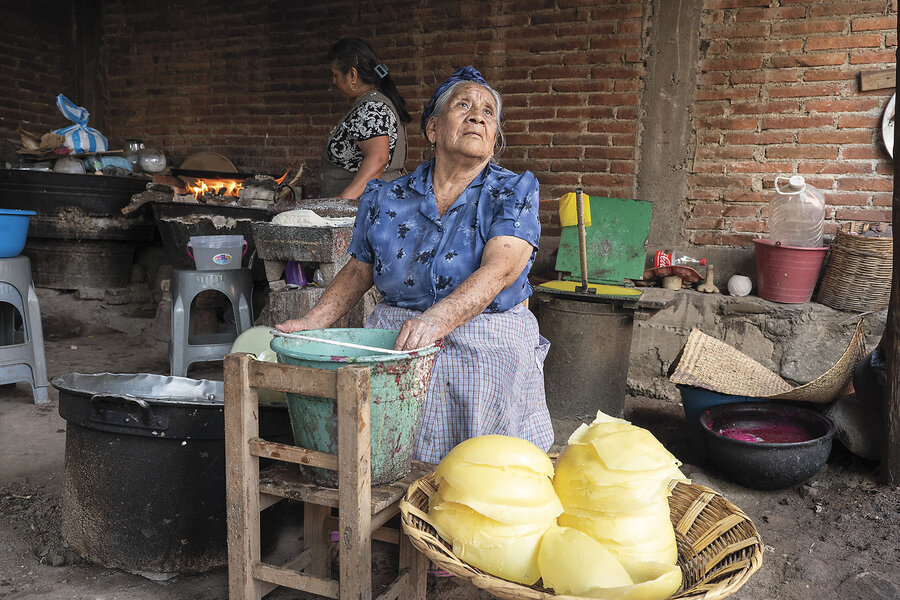
Viviana Alávez Hipólito and her family maintain a traditional candlemaking workshop in the Indigenous Zapotec community of Oaxaca, Mexico.
She learned the craft from her grandmother 66 years ago and now operates Casa Viviana, where she produces elaborate candles decorated with wax flowers, shells, and fruit. While the workshop retains traditional methods like sun-bleaching beeswax sheets, Alávez introduced custom wooden molds to create lifelike floral designs.
Her creative choices initially caused friction with her grandmother, who did not approve of her departure from established techniques. The local community historically used these candles for Catholic churches and marriage proposals, where a groom presents a shell candle to unite families. However, the craft has shifted from a local religious necessity to a global art form.
Many people in the community now recognize the work as art, a shift that began about eight years ago after Alávez's designs gained international attention. This recognition has encouraged a new generation of locals to start their own candlemaking businesses. The younger generation of the family is now expanding the business into the international market.
Roman Hernández Jr. plans to study business to reach a broader audience, while the workshop already fulfills orders from designers in the United States for custom colors like black and gray. Other family members, including Manuel Hernández, have opened a separate operation called Humea. They use natural dyes made from cochineal insects, lime juice, and marigolds to create vibrant colors and experiment with new designs, such as candles that mimic the braided hair of local women.
Selected and summarized by local AI How we work