German government saves 4.2 billion euros on renewable energy subsidies
Headline and summary by local AI
The German government will likely spend 4.2 billion euros less on the Renewable Energy Act (EEG) subsidies in 2026 than originally planned.
Ursula Heinen-Esser, president of the Bundesverband Erneuerbare Energie (BEE), announced that the federal budget will benefit from this reduction. While the Federal Ministry of Finance initially set aside 16.6 billion euros for the EEG account this year, transmission system operators now project a total need of only 12.4 billion euros.
The BEE attributes these lower costs to two main factors. First, older power plants that received higher subsidy rates are gradually leaving the EEG program. Second, high electricity prices have reduced the amount of compensation the state must pay to renewable energy operators. Because gas remains a major part of the German power mix and gas plants are currently expensive to run, wholesale electricity prices have spiked.
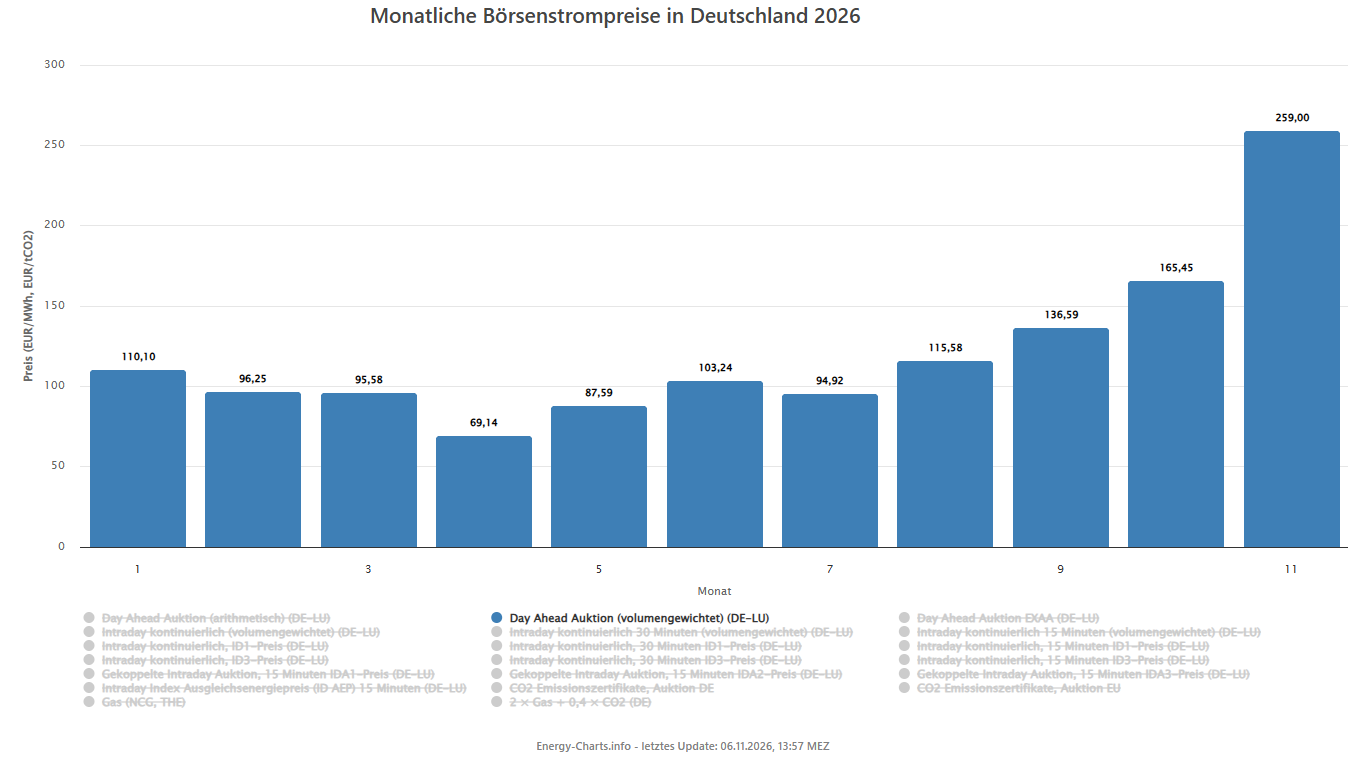
Higher market prices mean that renewable energy producers earn more from direct sales, requiring less government support to bridge the gap. Data from Fraunhofer ISE shows that the average exchange electricity price reached 165.45 euros per megawatt hour in October, a sharp increase from 82.39 euros per megawatt hour in October of the previous year. Heinen-Esser warned that fossil fuel price crises are likely to persist due to geopolitical conflicts.
She urged the government to use the saved funds to lower electricity taxes for households and to invest in more renewable capacity and storage to keep long term prices low.
Selected and summarized by local AI How we work
More in Solutions

Punjab government distributes property cards to residents in Lal Lakir areas
indianexpress.com · 3 Nov 2026

Senegal plans budget to modernize postal services and digital infrastructure
senego.com · 13 Nov 2026

Quito authorities clean streams to mitigate El Niño flood risks
elcomercio.com · 8 Nov 2026