Global reception of samurai culture shapes modern identities
Headline and summary by local AI
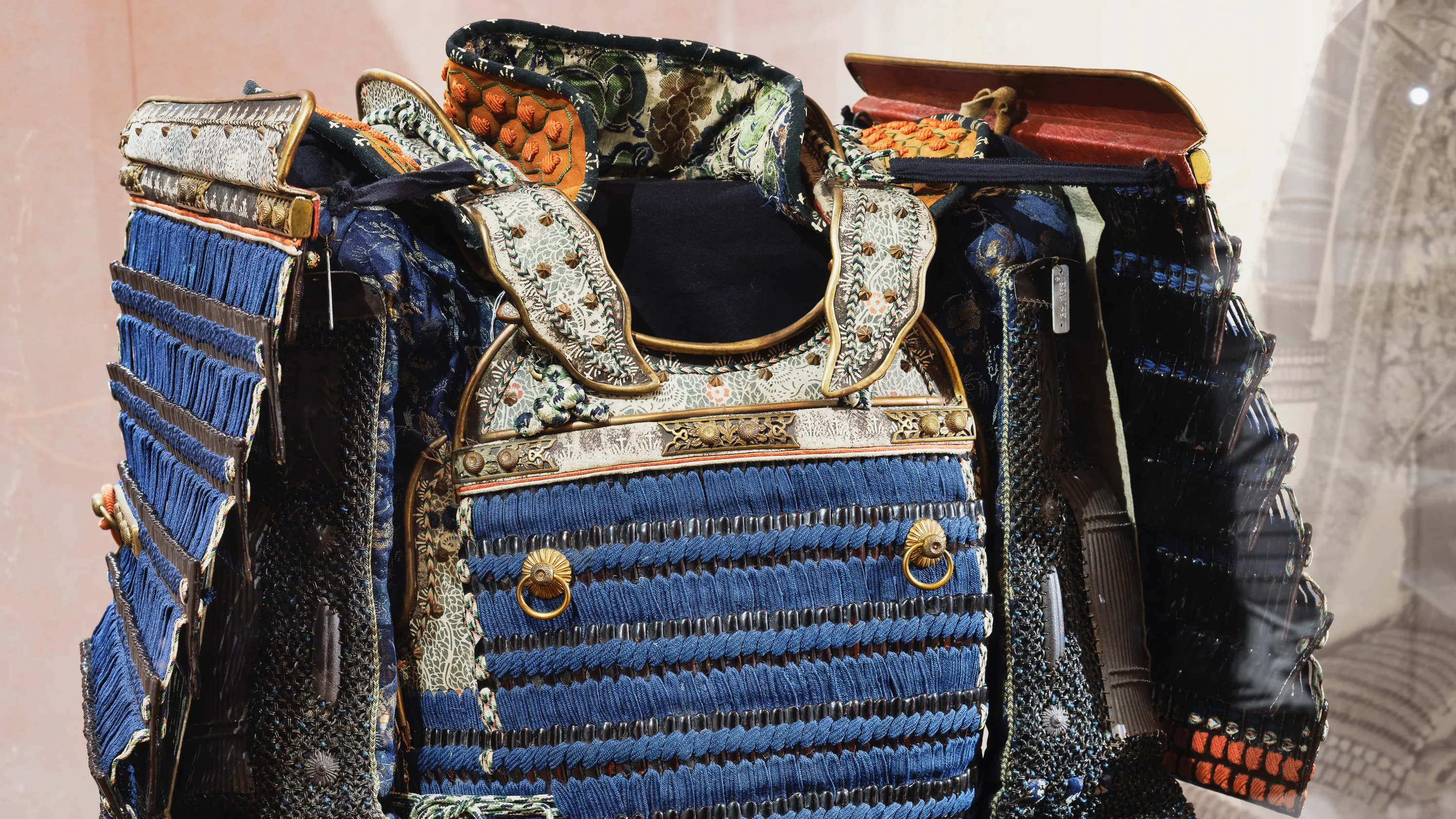
Researchers at the International Research Center for Japanese Studies in Kyoto published a special issue of Japan Review titled Global Samurai to examine how the Japanese warrior class has been reimagined worldwide.
The publication stems from research supporting a Samurai exhibition at the British Museum scheduled for February to May 2026. It explores how the Samurai figure serves as a tool for different nations to negotiate their own concepts of modernity, morality, and social structure.
The study notes that the concept of Bushidō, or the way of the warrior, was not a unified social reality but a constructed tradition. Nitobe Inazō published the book Bushido: The Soul of Japan in New York in 1899 to provide a romanticized portrayal of Japanese patriotism for a Western audience. In England, the victory in the Russo-Japanese War in 1905 helped shape the image of the Japanese soldier as a chivalrous yet hypermodern fighter.
This image provided an alternative to traditional European feudalism and influenced literature, such as H. G. Wells' novel A Modern Utopia, where the ruling elite are Samurai. International movements also adopted the Samurai as a symbol for social change. In India, reformers used the Samurai's transition during the Meiji period as a model for dismantling the caste system. Indian activists, including Gandhi, praised the Samurai for sacrificing personal privileges for the nation.
Conversely, in Nazi Germany, the legend of the 47 Ronin was used in theater productions between 1938 and 1944 to promote ideals of honor and sacrifice. In Japan, the relationship with the Samurai remains complex. During the Meiji Restoration, the government introduced conscription in 1873 and replaced the warrior class's authority. Military historians argue that the Japanese military only revived the Samurai spirit for propaganda purposes near the end of the Pacific War.
Today, the myth continues to evolve through popular culture, ranging from video games like Pokémon Conquest to anime, where historical figures are reimagined in domestic or comedic settings.
Selected and summarized by local AI How we work
Discovery: Archaeology, new knowledge of art, culture and history, forgotten history uncovered, something lost restored.