Catholic church in rural Bavaria uses creative solutions for clergy shortages
Headline and summary by local AI
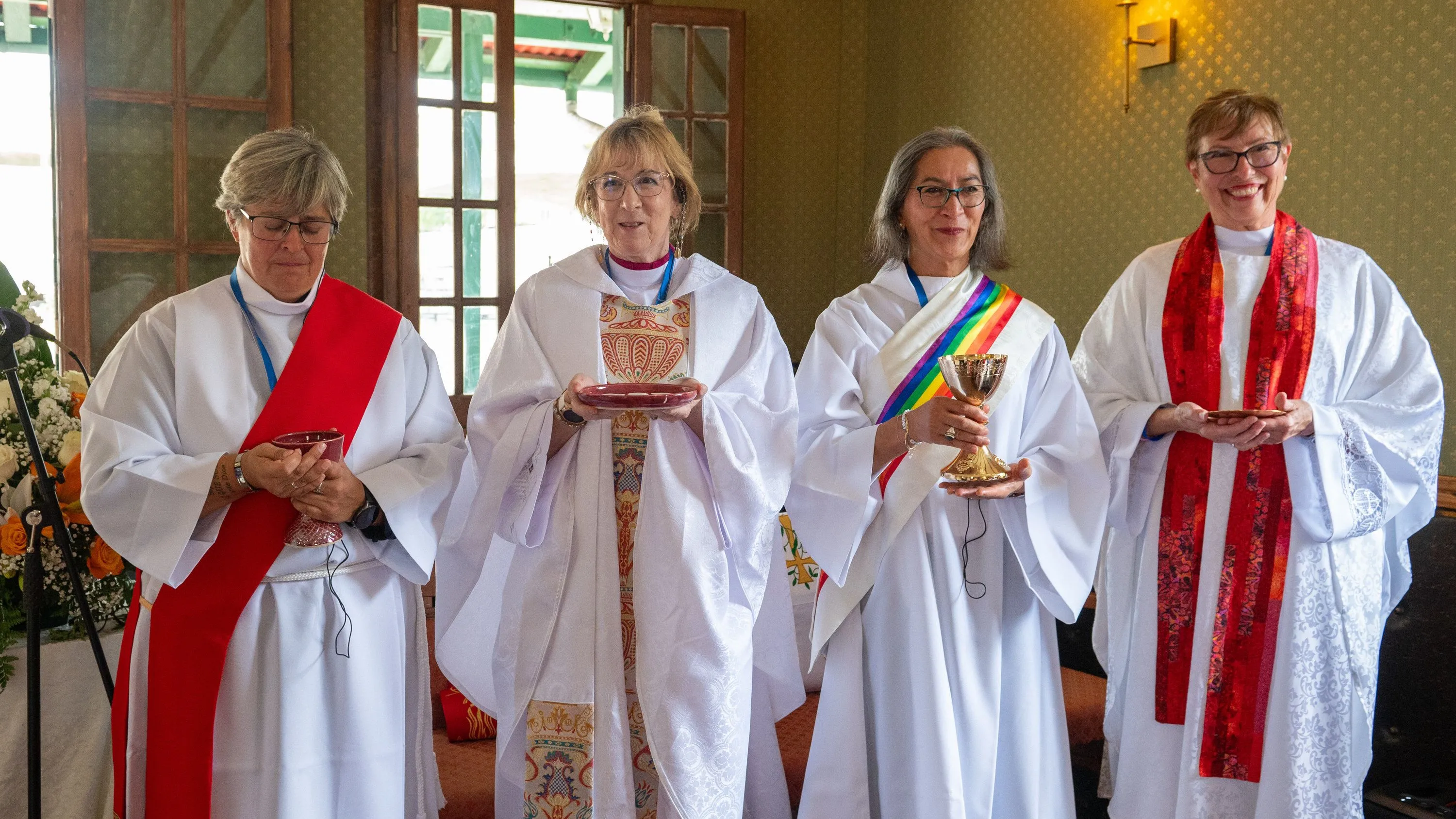
A female church official leads a service in a small village in Bavaria, Germany, where the Catholic Church utilizes laypeople to maintain religious life in shrinking rural communities.
The local priest manages a large pastoral area consisting of 27 church sites with two colleagues. Because the church relies heavily on volunteers to keep these locations running, women play a central role in the daily operations of the parish.
This cooperation allows the church to function despite a decline in traditional attendance and the closure of local social hubs like village pubs. In this specific village, a woman serves as a church service officer. While she does not perform the Eucharist, which the church still reserves for priests, she delivers speeches and distributes hosts.
The local community views her role as a form of pastoral care, as she knows the residents personally and provides spiritual guidance based on her professional background. These practices represent a creative use of grey areas within the church's rules. While a recent official request to the Vatican for formal permission to allow women to lead full services in Germany failed, rural communities continue to integrate women into leadership roles.
This approach helps the church sustain its presence in areas where the number of available priests is limited.
Selected and summarized by local AI How we work
Belonging: Community bonds, rootedness, and living cultural practices and heritage.