Dam removal projects restore fish migration and nutrient cycles in the United States
Headline and summary by local AI
Conservationists and government agencies are removing dams across the United States to restore river ecosystems and rewild habitats.
These actions aim to reverse the effects of over 90,000 dams built over the last century, which have severed natural river flows and blocked wildlife movement. The removal of four dams on the Klamath River, which sits on the border of California and Oregon, opened more than 400 miles of habitat.
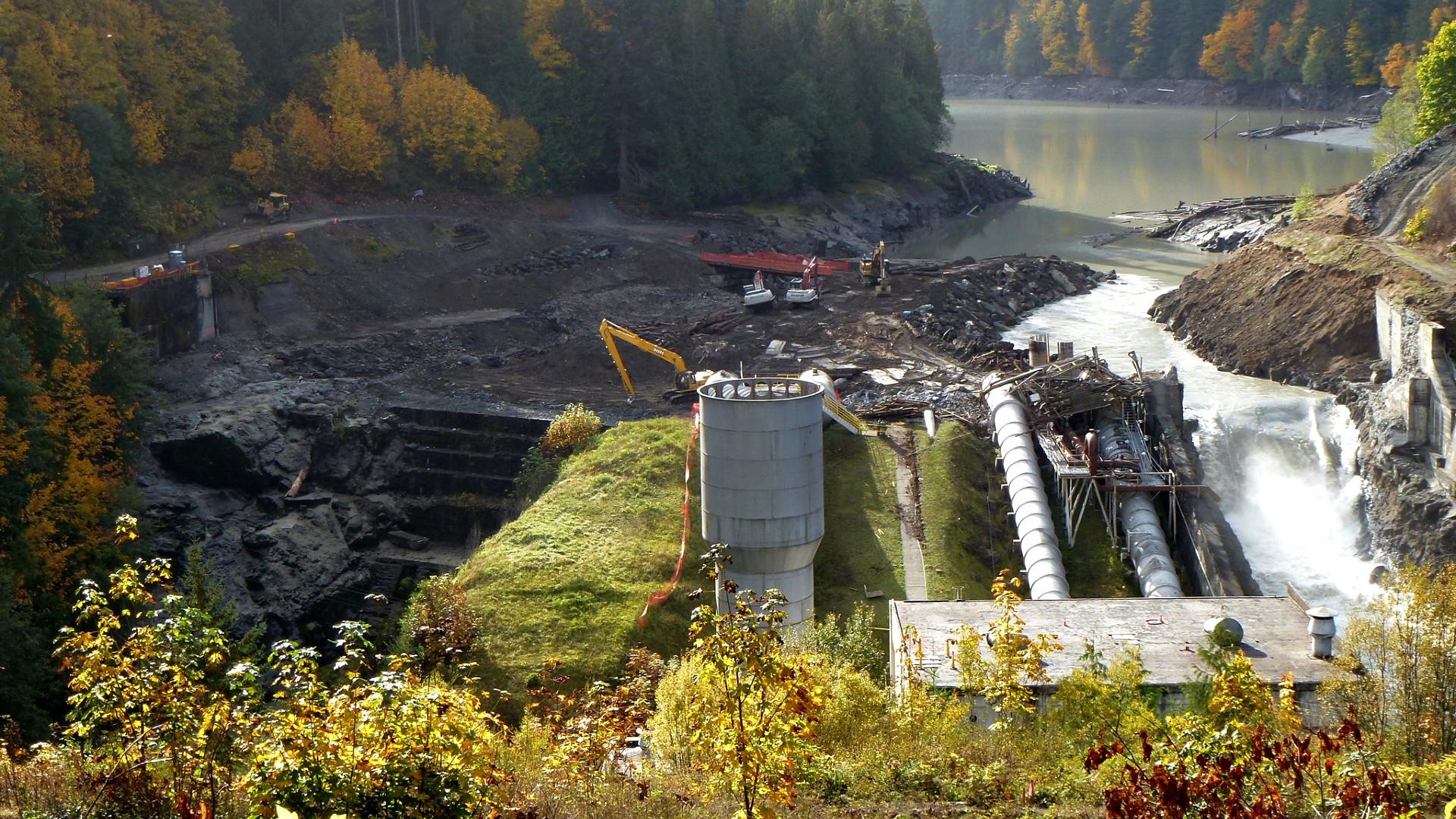
This project allowed Chinook salmon to return to spawning grounds they had not reached in over a century. Similarly, the removal of two dams on the Elwha River in Washington between 2011 and 2014 released 21 million cubic yards of trapped sediment. This movement of silt and gravel began rebuilding a river delta that had been eroding for 100 years and created new marine habitat. Beyond physical geography, dam removal restores the natural temperature and flow rhythms of rivers.
Reservoirs often disrupt the water temperature cues that fish and insects need to spawn. Removing these structures allows rivers to cycle between seasonal floods and low flows, which supports riparian plants like cottonwoods and willows. These plants then provide food and shelter for elk, beavers, and songbirds. The process also reactivates nutrient cycles. When salmon return to free-flowing rivers to spawn and die, their bodies deliver nitrogen and phosphorus from the ocean into the forest.
This creates a nutrient pipeline that feeds bears, eagles, and otters. These restoration efforts show that removing dams can quickly reconnect the ocean and terrestrial ecosystems.
Selected and summarized by local AI How we work