Kiwi birds return to Wellington hills after 150 years

Headline and summary by local AI
The Capital Kiwi project reintroduced more than 250 wild kiwi to the hills surrounding Wellington, the capital of Aotearoa New Zealand.
This initiative involved a partnership between Indigenous iwi (Māori nations), private landowners, and local community members to restore the flightless birds to the landscape. Project founder Paul Ward and his team managed the landscape by removing stoats, small mammals introduced by Europeans in the late 1800s to control rabbit numbers.
Workers installed more than 5,300 traps across 24,000 hectares of farmland, forestry, and suburban reserves. These efforts increased the survival rate of kiwi chicks to over 90 percent, whereas most chicks die before reaching adulthood in areas without predator control. Rawiri Walsh, a kiwi guardian from Taranaki Whānui, stated that the released birds are in good condition and laying eggs. The translocation process follows traditional Māori protocols, including a formal gifting request and a traditional welcoming ceremony.
The project plans to work with partners to determine which other taonga (treasured) species can be returned to the environment.
Selected and summarized by local AI How we work
More in Recovery

Brazil Priority list policy reduces Amazon forest loss by 33 percent
eurasiareview.com · 18 Nov 2026
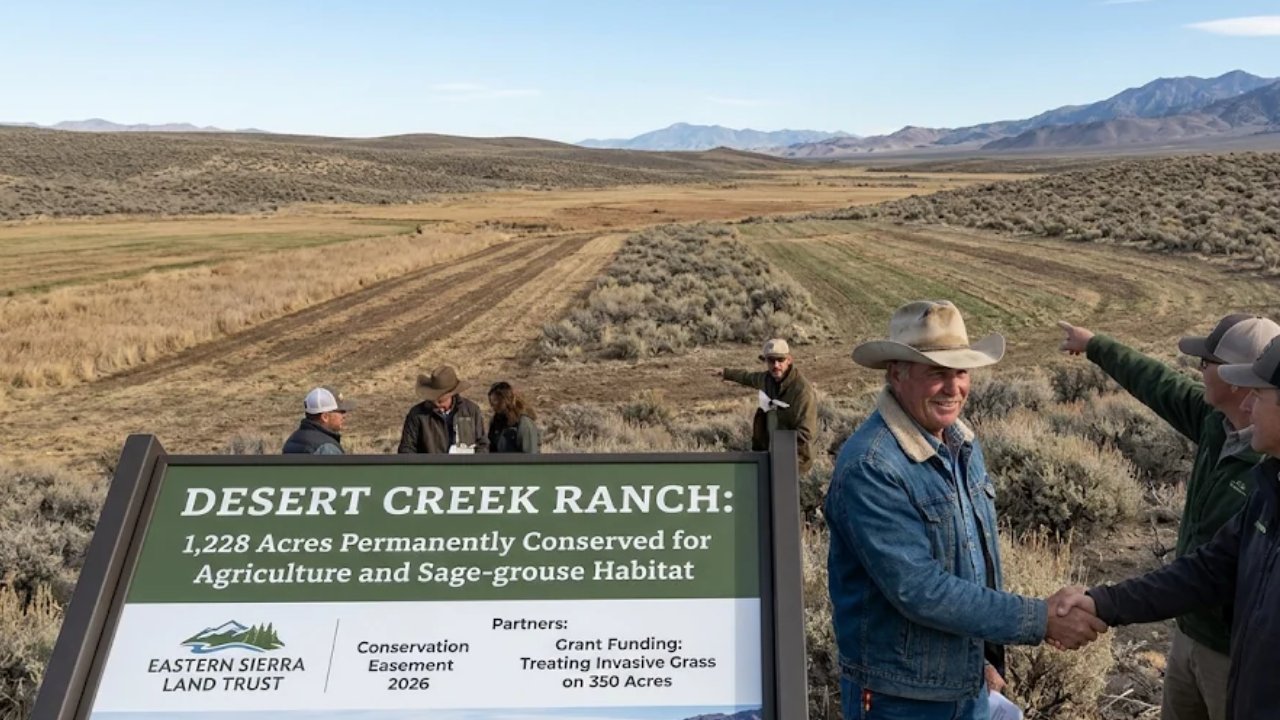
Nevada rancher secures permanent conservation for 1,228 acres of ranchland
timesofindia.indiatimes.com · 15 Nov 2026

Cheetah population grows in India as Botswana female gives birth in the wild
conexaoplaneta.com.br · 24 Nov 2026