Researchers map jaguar corridors to combat habitat fragmentation in the Americas

Headline and summary by local AI
Researchers mapped 307 core areas and 176 corridors for jaguars across the Americas using movement data from 172 GPS-collared cats.
The study, which used data from eight countries including Brazil, Mexico, and Argentina, aims to identify how isolated jaguar populations are due to habitat fragmentation. The researchers found that agriculture and livestock farming, particularly cattle pastures and soybean plantations, have created significant gaps in connectivity.
These gaps force isolated groups to breed with relatives, which reduces genetic diversity and makes the species more vulnerable to disease and climate change. The study also identified landscape features that influence jaguar behavior. The researchers found that jaguars avoid areas with high human density and intense farming. Instead, they seek out fertile areas with high vegetation productivity and proximity to water.
Because jaguars are unique among big cats for their close relationship with aquatic environments, water remains a critical factor for their survival. To address these threats, a coalition of South American organizations launched the Jaguar Rivers Initiative. This group invested $80 million to protect and reconnect 1,200 square kilometers of the Paraná River Basin. The initiative aims to restore vital freshwater ecosystems across Argentina, Paraguay, Brazil, and Bolivia.
While the mapping provides a foundation for conservation, the researchers plan to conduct field work to see if jaguars actually use the identified corridors and to assess what restoration is needed.
Selected and summarized by local AI How we work
More in Recovery
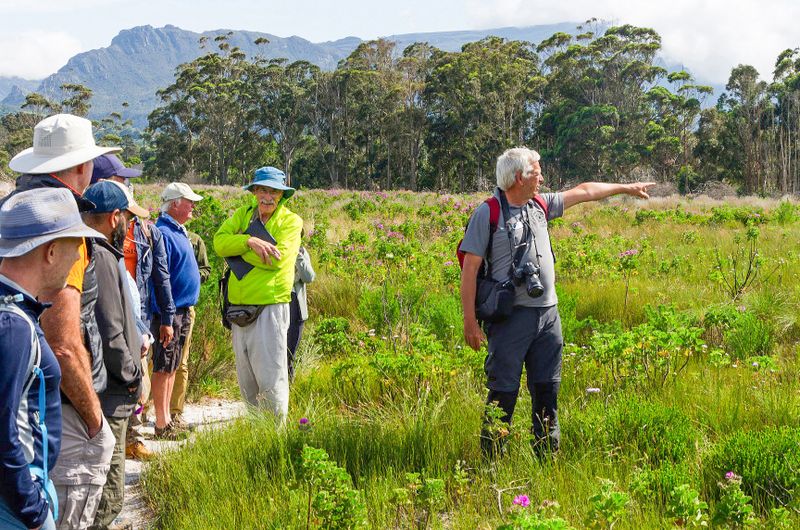
Experts reach consensus on restoring endangered fynbos in Lower Tokai Park
dailymaverick.co.za · 18 Nov 2026

Indonesia plans to expand marine protected area for whale sharks
news.mongabay.com · 17 Nov 2026

Blue marlin and sailfish recover quickly after sport fishing release in Costa Rica
noticiasambientales.com · 17 Nov 2026