Repair cafés combat waste and build community through collective fixing
Headline and summary by local AI
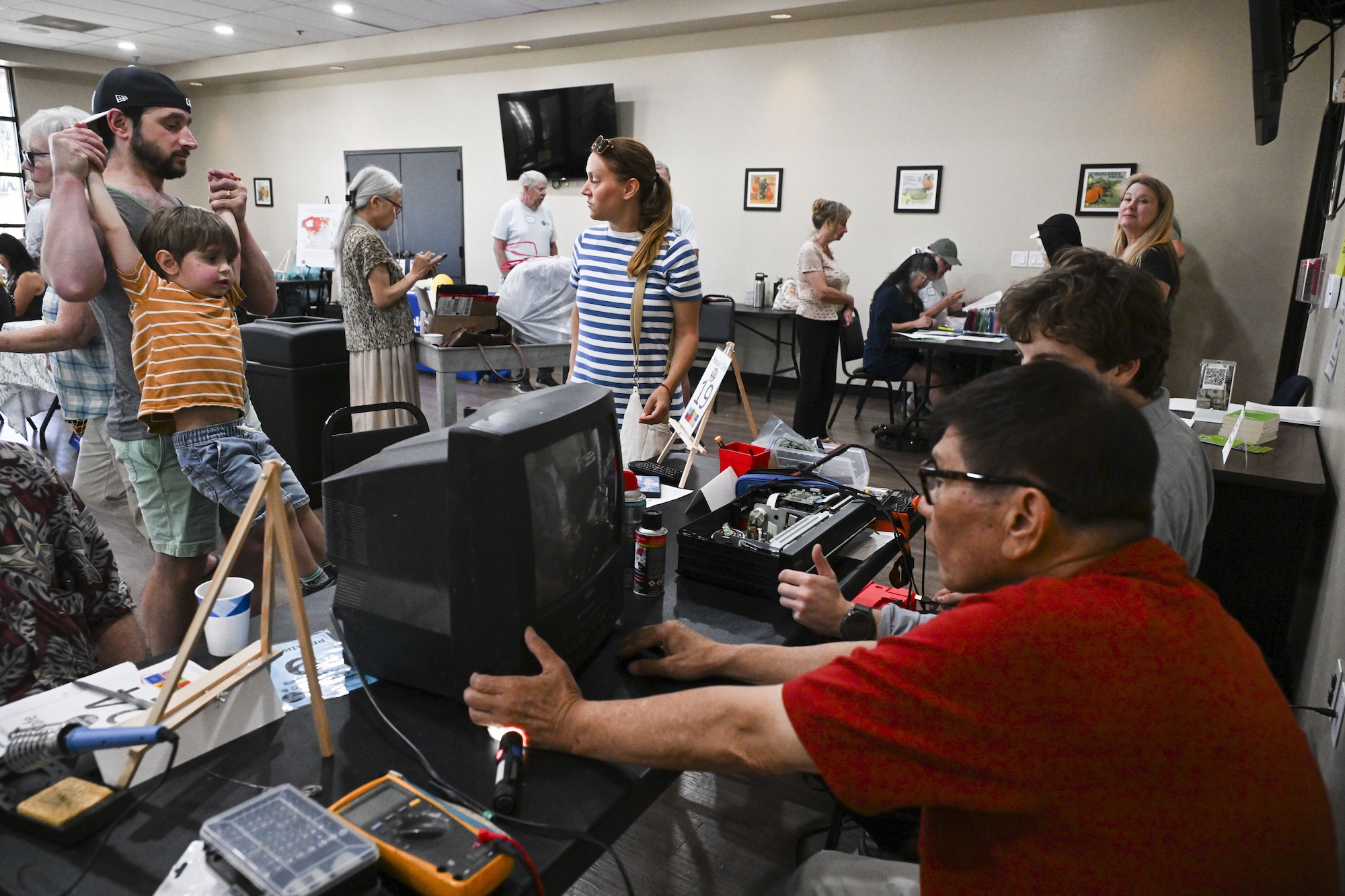
Volunteers and community members gather at repair cafés across the United States to fix broken household items instead of discarding them.
These events provide a space where people bring electronics, furniture, and appliances to be repaired by skilled volunteers who offer their services for free. In Decatur, Georgia, attendees worked together to repair a family dining chair, while in Collier Heights, Georgia, a volunteer fixed an air fryer for a local resident who could not afford a replacement.
Martine Postma, the director of Repair Café International, founded the organization in 2010 to address the waste created by a throw-away economy. The network currently includes 4,000 cafés. Postma argues that buying new products quickly online is a lonely activity that contributes to environmental degradation. By repairing existing goods, these communities aim to reduce greenhouse gas emissions and resist a consumer model that encourages frequent replacement over maintenance.
The movement also serves as a form of activism for right to repair measures. While some regions like California and New York have passed legislation to encourage repairs, many companies still make products harder to fix by limiting parts or locking software. In wealthier areas, these cafés often focus on sentimental value and sustainability, while in lower-income neighborhoods, they provide a vital service for people who cannot afford to buy new appliances.
Selected and summarized by local AI How we work
Belonging: Community bonds, rootedness, and living cultural practices and heritage.