UN affirms island nations’ sovereignty amid rising seas
Summary and headline written by AI from the source article. How we work
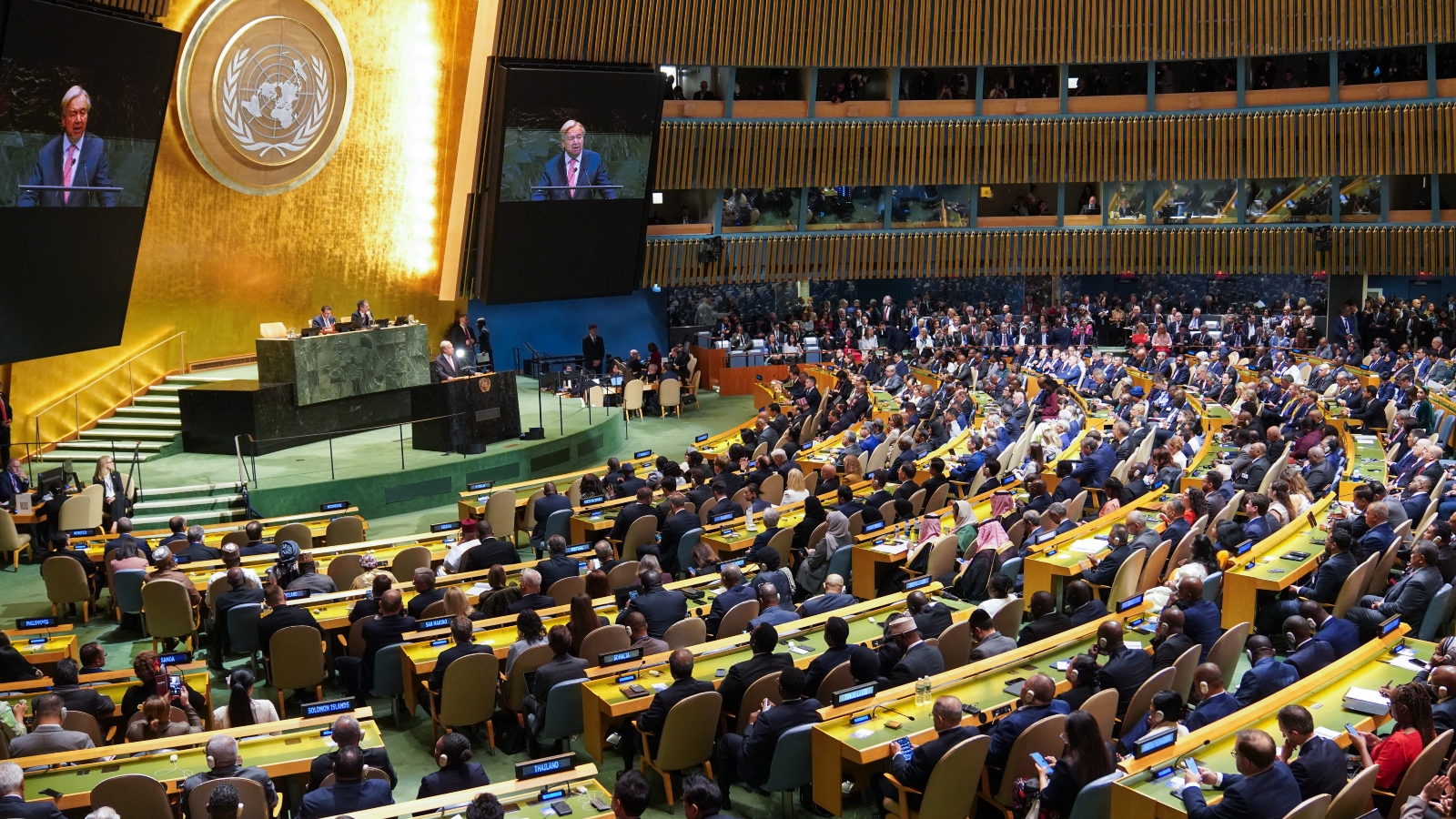
Leaders at the United Nations General Assembly unanimously approved a declaration addressing sea level rise, and the United States supported the measure.
The agreement establishes that island nations facing total inundation from rising temperatures will maintain their status as political entities and retain control over their maritime borders. This decision stems from a campaign by the Alliance of Small Island States, and builds on recent legal rulings affirming countries’ rights despite land loss.
Philip Davis, prime minister of the Bahamas, explained that the declaration will likely encourage greater action to reduce carbon emissions. Many low-lying countries, like Tuvalu and the Marshall Islands, are at risk of disappearing entirely over the next century. The declaration ensures these nations will continue to exist legally, even if their landmasses are submerged, preserving their rights to crucial ocean resources.
Kamal Amakrane of the Global Center for Climate Mobility noted the significance of reaching consensus on the issue, especially given current global political challenges. The agreement also recognizes the responsibility of developed countries to provide financial aid to help vulnerable island states adapt to climate change. This funding could support projects like building sea walls or restoring protective mangrove forests. While the declaration itself doesn't guarantee increased funding, it acknowledges the need for expanded access to adaptation funds.
The world previously agreed to increase annual aid to $300 billion by 2035, but progress towards this goal is still being measured. Bryce Rudyk, a law professor at New York University, said that protecting maritime borders is in the interest of all nations, including the United States, as everyone could lose land to sea level rise.