Beijing boosts Cycling infrastructure to improve air quality
Headline and summary by local AI
Beijing authorities have expanded cycling infrastructure and bike-sharing services to reduce air pollution and promote non-motorized transport in the Chinese capital.
The city has seen a sharp decline in heavy pollution days, dropping from 58 days in 2013 to just one day in 2025. While the annual average of PM2.5 fine particles fell from 89.5 to 27 micrograms per cubic meter over twelve years, the air quality remains five times higher than the World Health Organization recommendation.
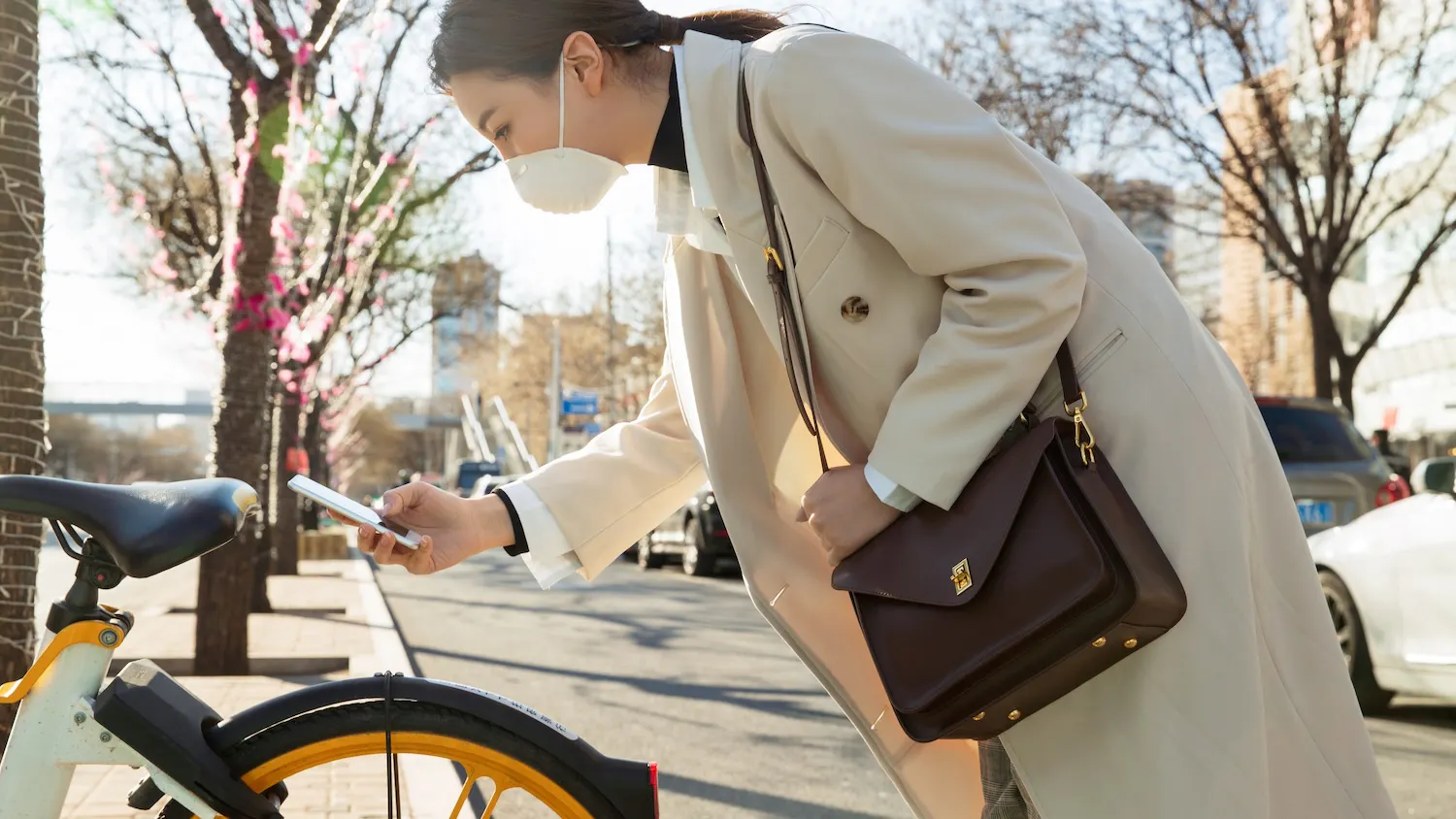
Local officials attribute these environmental gains to reduced coal use and industrial emissions alongside a shift in how residents move through the city. The government invested in 3,200 kilometers of cycling paths and expanded bike-sharing fleets. These efforts helped annual bike trips rise from 50 million in 2017 to 950 million in 2021. In the central urban zone, non-motorized transport now accounts for 47.8 percent of trips.
The city also inaugurated a 6.5 kilometer express lane connecting Huilongguan and Shangdi, which recorded over 9.35 million trips by June 2024. Beijing officials plan to reach a target where 80 percent of trips in central urban areas use ecological transport by 2035. The city uses a "3510" model, encouraging residents to walk 3 kilometers, cycle 5 kilometers, and use public transport for 10 kilometers.
By partnering with Dutch engineers, the city built a 2.7 kilometer path in Tongzhou that reduces travel time for residents. Shared bikes now serve as a primary way for people to reach subway stations, with over 40 percent of shared bike trips occurring near transit hubs.
Selected and summarized by local AI How we work
Solutions: Technology, policy and initiatives already in use against a real problem, with results to show.