Irrigation saves crops for Tigré farmers during severe drought

Headline and summary by local AI
Farmers in the Tigré region of northern Ethiopia are using irrigation systems to protect their crops from a severe drought that has not been seen since the 1980s.
While most farmland in Ethiopia relies on rainfall, a small number of farmers have successfully maintained their harvests by accessing water from nearby sources. In the Semha area of eastern Tigré, a farmer named Haregot manages to grow wheat despite the dry conditions.
He uses an irrigation system established in 2012 by an American non-governmental organization to draw water from a river that runs alongside his two hectares of land. This setup allows him to remain self-sufficient and avoid relying on outside aid for his survival. Zeweld Woldegebrial, an environmental researcher at Mekele University, says irrigation is a vital tool for managing water resources in a country dominated by rain-fed agriculture.
He notes that irrigation can help farmers produce two or three harvests a year and help regenerate the soil. However, he warns that irrigation is not a total solution because the costs of pumps and pipes are high for farmers. He also cautions that over-reliance on these systems could eventually dry up local rivers, requiring the adoption of various technologies to combat climate change.
Selected and summarized by local AI How we work
Solutions: Technology, policy and initiatives already in use against a real problem, with results to show.
More in Solutions

Eskom aims to eliminate load reduction by 2027 in South Africa
sanews.gov.za · 16 Nov 2026
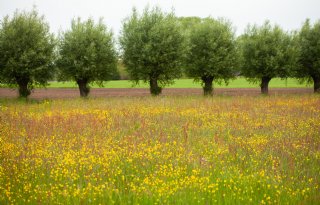
Dutch farmers green over 5,500 hectares through Urgenda initiative
nieuweoogst.nl · 17 Nov 2026

Denmark plans subsidies to make electric cars affordable for low income households
elektroauto-news.net · 20 Nov 2026