UN aims to halve Food Waste by 2030 to combat climate change
Headline and summary by local AI
Clémentine O’Connor, the food systems lead for the United Nations Environment Programme (PNUE), is spearheading an initiative to reduce global food waste by half by 2030.
The Food Waste Breakthrough initiative seeks to lower global greenhouse gas emissions while helping countries save money. O’Connor explains that food waste contributes between 8 to 10% of global greenhouse gas emissions because decomposing waste in landfills releases methane, a gas 84 times more powerful than carbon dioxide in the short term.
The PNUE is promoting public and private partnerships to identify and fix critical points in the food supply chain. These partnerships, known as the Food Pact Network, already exist in countries like the United Kingdom, Indonesia, South Africa, Mexico, Australia, and the Netherlands. The program is expanding these models to Brazil, Colombia, and Mauritius. O’Connor notes that while many countries might not meet the 2030 goal, the effort provides immediate benefits for cities, businesses, and households by reducing food expenses.
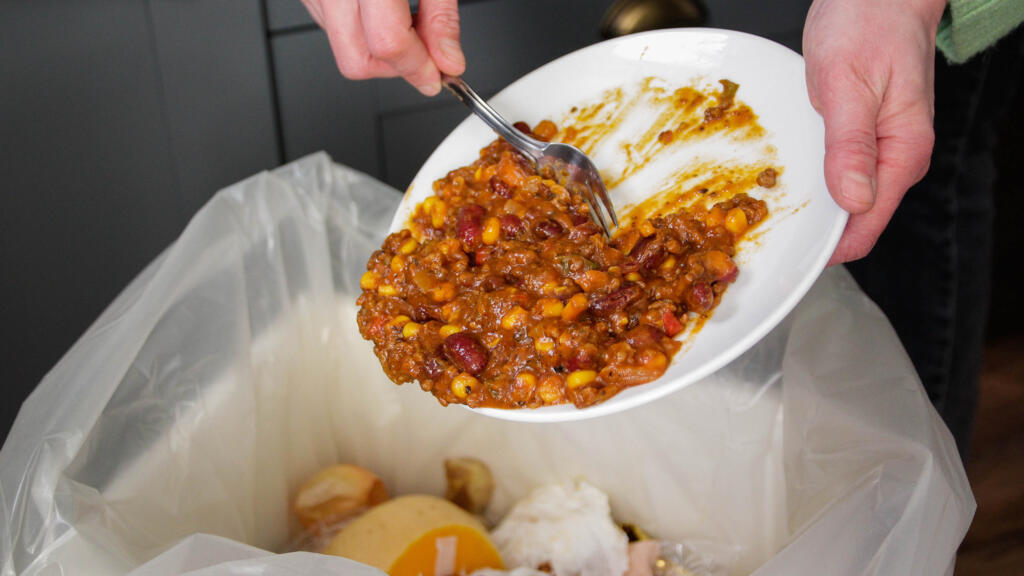
The initiative focuses on changing consumer behavior and improving municipal waste management. In the United States, the PNUE works with Walmart to offer appropriate portion sizes and avoid promotions that encourage overconsumption. In Tanzania, the city of Dar es Salaam serves as a model for successful waste collection and prevention messaging. O’Connor points out that food waste is concentrated in households, where people waste about 79 kilograms of food per person each year.
The UN estimates that reducing this waste could provide one billion meals, enough to provide 1.3 meals a day to every person currently suffering from hunger.
Selected and summarized by local AI How we work
Solutions: Technology, policy and initiatives already in use against a real problem, with results to show.