Seychelles combat HIV through free syringe program
Summary and headline written by AI from the source article. How we work
In Victoria, Seychelles, a mobile health unit distributes sterile syringes to people who inject drugs, aiming to curb the spread of HIV and other infections.
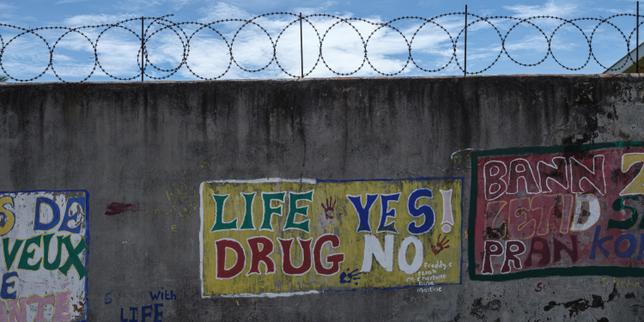
For about fifteen years, the country has faced a growing multi-drug addiction crisis, including heroin, methamphetamine, and cocaine. People like Karim, a port worker, inject drugs and understand the dangers of sharing needles, but observe that some still do, and even resell used syringes.
The United Nations Programme on HIV/AIDS (UNAIDS) reports that people who inject drugs are disproportionately affected by HIV, with a global prevalence of 5% in 2022, compared to 0.7% in the general adult population. While Seychelles, with a population of around 120,000, generally has a low HIV prevalence of less than 1%, the rate among people who inject drugs reached 22% in 2017.
Justin Freminot, president of the local association Haso, explains that increases in HIV cases were directly linked to needle sharing. Seychelles began a free syringe exchange program in the mid-2010s, following recommendations from UNAIDS to prevent HIV transmission. Freminot notes that since the program began, HIV transmission through shared needles has decreased, with 75% of people who inject drugs reporting using a sterile syringe during their last use in 2017.
Along with syringes, health workers also distribute condoms and offer rapid tests for HIV, hepatitis C, tuberculosis, and syphilis. The government also provides free methadone treatment as a substitute for heroin, further reducing health risks.


