A small pond in Virginia creates a self sustaining Wildlife Habitat
Headline and summary by local AI
A 14 year old girl named Maggie dug a pond with a shovel in Virginia for an agriculture class in 2017.
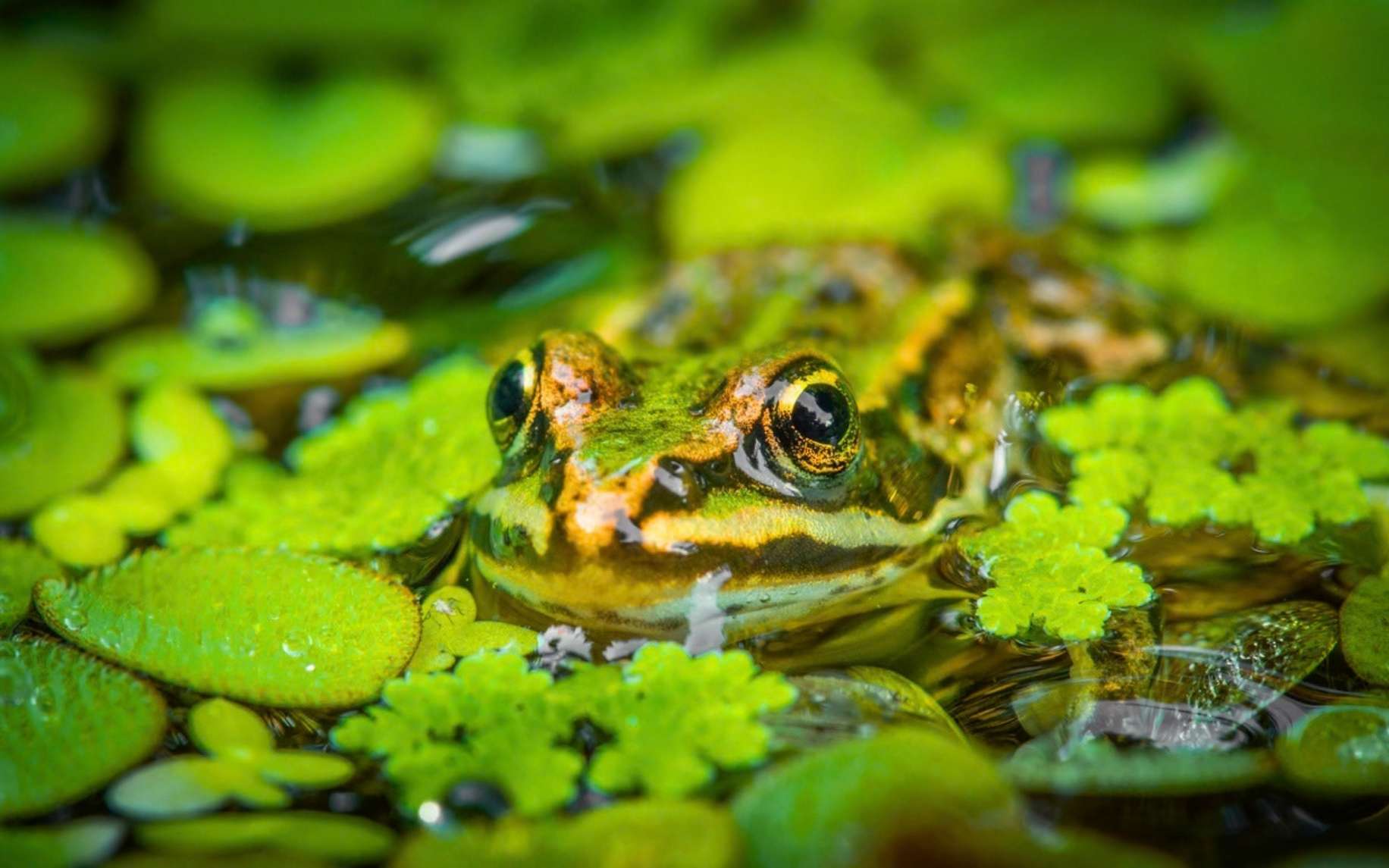
Her family later added a liner, a stone border, and indigenous plants to the site. The pond filled with water in the spring of 2018 and began attracting local wildlife almost immediately. The pond now supports a variety of animals, including toads, frogs, colorful frogs, butterflies, and hummingbirds.
Because the ecosystem is balanced, the pond does not require a filtration system. The family received a Certified Wildlife Habitat designation from the National Wildlife Federation because the site provides food, water, shelter, and breeding grounds for local fauna. In 2025, the family spent 600 dollars to install a fence to protect the frogs from cats. Research by Marceau Minot shows that many ponds in Europe have disappeared over recent decades, which harms freshwater species.
However, his observations on ponds in Normandy suggest that wildlife colonization happens quickly, while more demanding species arrive over time. Other research indicates that ponds are among the richest aquatic habitats for regional species, including rare ones.
Selected and summarized by local AI How we work
Recovery: Ecosystems recovering, species returning, nature thriving or newly found, and protection already in force.