EU solar capacity grows despite market challenges
Summary and headline written by AI from the source article. How we work
European Union members installed 33.8 gigawatts of new solar power capacity from January to June 2026, a 1.9% increase over the same period in 2025.
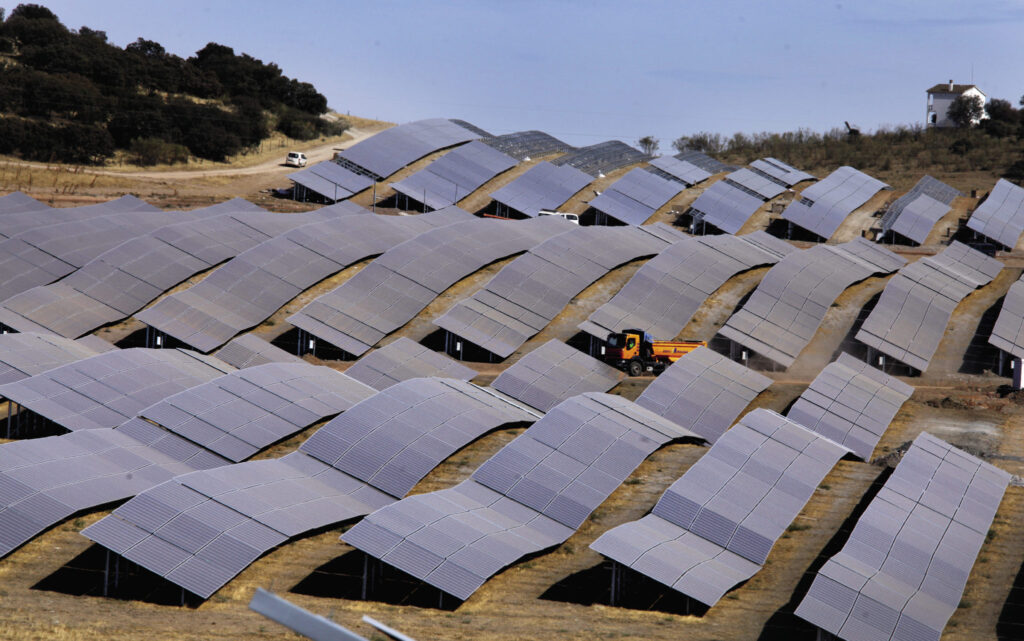
SolarPower Europe reported this growth happened despite expectations of a market contraction late in 2025. Renewed concerns about fossil fuel supplies, linked to conflict in the Middle East, and higher energy prices encouraged investment in solar power across the EU. Germany and Spain led installations, while Finland and Latvia saw rapid expansion through large projects.
However, the Netherlands, Czechia, Belgium, and Hungary installed less solar than in the previous year. Utility-scale projects accounted for most new capacity, making up about 56% of installations, while residential demand slowed in some countries. Solar generation helped the EU avoid approximately €30 billion in gas import costs between March 1 and September 8, and it met over 20% of the EU’s electricity demand during May, June, and July.
In June, solar became the primary source of electricity generation in the EU, providing 25% of the total. Despite this success, SolarPower Europe noted that Europe’s electricity infrastructure struggles to keep pace with increasing solar power, leading to wasted energy and continued reliance on fossil fuels. The organization now forecasts 68.1 gigawatts of new solar capacity for the entire year of 2026, but warns that reduced policy support, regulatory uncertainty, and grid limitations still threaten continued growth.