US power sector emissions fall as coal usage drops
Headline and summary by local AI
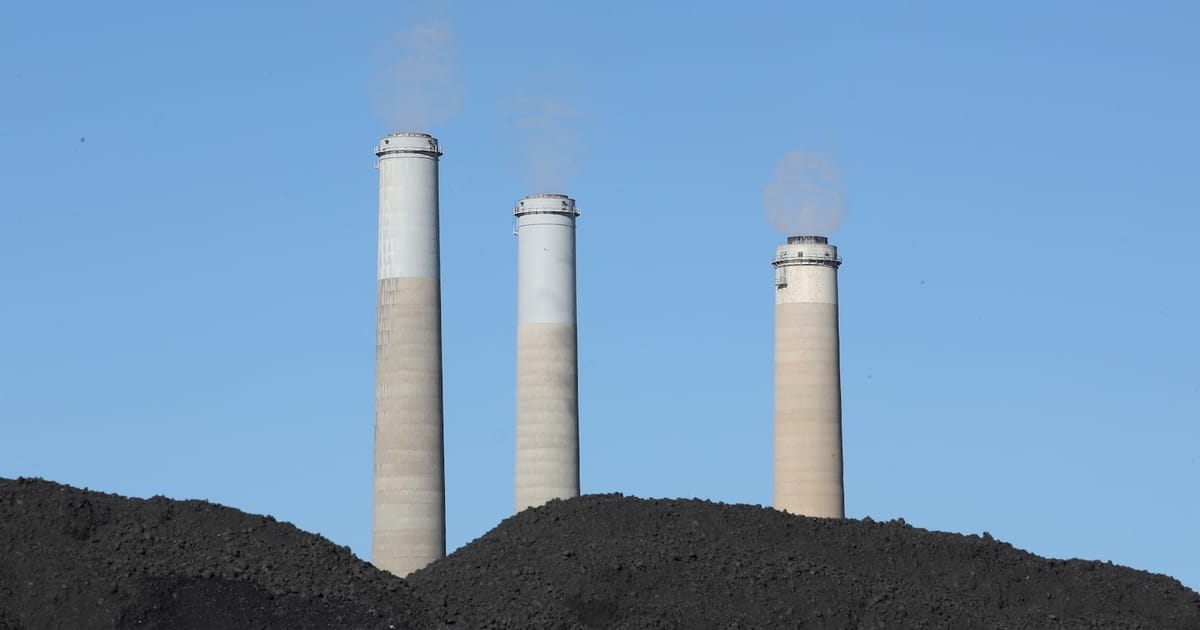
Power plants in the United States burned 10% less coal through July of 2026, causing a decline in power sector emissions during the first half of the year.
This trend puts the country on track to reduce overall energy-related emissions by 2% for the full year. The current decline follows a period in 2025 when coal generation increased by 13% and economy-wide emissions rose by 2.4%.
Analysts say that previous spike occurred because high natural gas prices made coal more affordable during a period of high electricity demand. However, coal plants are running less frequently this year, operating an average of 46.7% of the time through August compared to 49.7% during the same period last year. The drop in coal usage occurs despite efforts by the White House to support coal-fired plants.
The Department of Energy ordered some plants to remain open past their retirement dates, while the Environmental Protection Agency rolled back pollution regulations. Despite these actions, the coal fleet shrank by 1.6% this year to a total of about 167.5 GW. Other energy sources are filling the gap left by coal. While large-format gas turbines ran at slightly lower rates, overall gas consumption at power plants rose by 3.8% due to increased production from different types of facilities.
Additionally, large-scale solar generation is projected to grow by 21% this year. Batteries are also helping to displace gas during evening peak hours in markets like California and Texas.
Selected and summarized by local AI How we work


