Ancestral climates shape environmental concern

Headline and summary by local AI
Researchers combined surveys and historical cultural records to discover how past climates influence people’s current attitudes toward the environment.
They found that groups whose ancestors experienced consistently stable or highly variable climates tend to value the environment more, while those with moderately variable climates show less concern. This pattern appears both in survey responses and in the stories cultures tell.
The researchers suggest this connection exists because people choose how much attention to pay to their surroundings before knowing what conditions they will face. Cultural groups that prioritized environmental awareness, either to take advantage of predictable conditions or to prepare for extremes, passed on this tendency to their descendants. The model explains that even as environments change, these ancestral climate experiences continue to shape environmental concern because attention is selected based on average performance, not perfect accuracy in all conditions.
This explains why both groups with regular and anomalous ancestral climates express greater environmental concern than those in between.
Selected and summarized by local AI How we work
More in Discovery

Pope Leo XIV visits Zaña to celebrate afro-Peruvian heritage
africanews.com · 18 Nov 2026
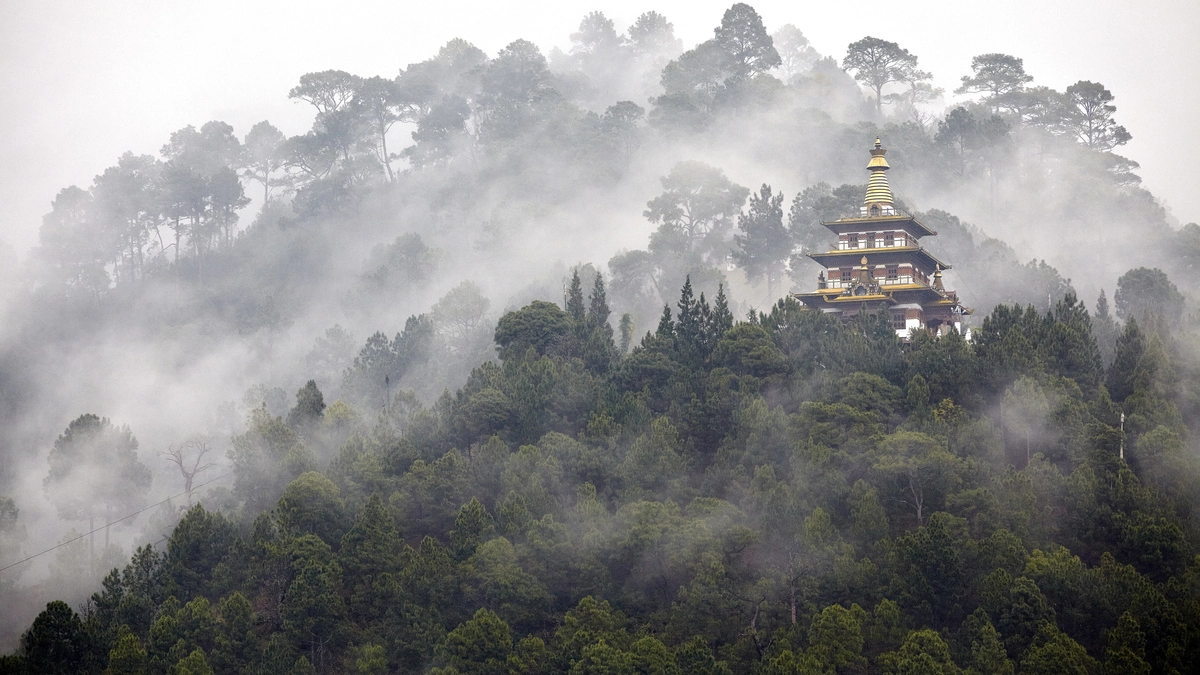
Austrian university partners with Bhutan to develop sustainable forestry
diepresse.com · 17 Nov 2026

British and Victoria and Albert museums extend loans of Asante gold to Ghana
theartnewspaper.com · 16 Nov 2026