Afghan farmers turn to drought resistant olives to combat water scarcity
Headline and summary by local AI
Farmers in eastern Afghanistan are planting olive trees to adapt to worsening water shortages and climate change.
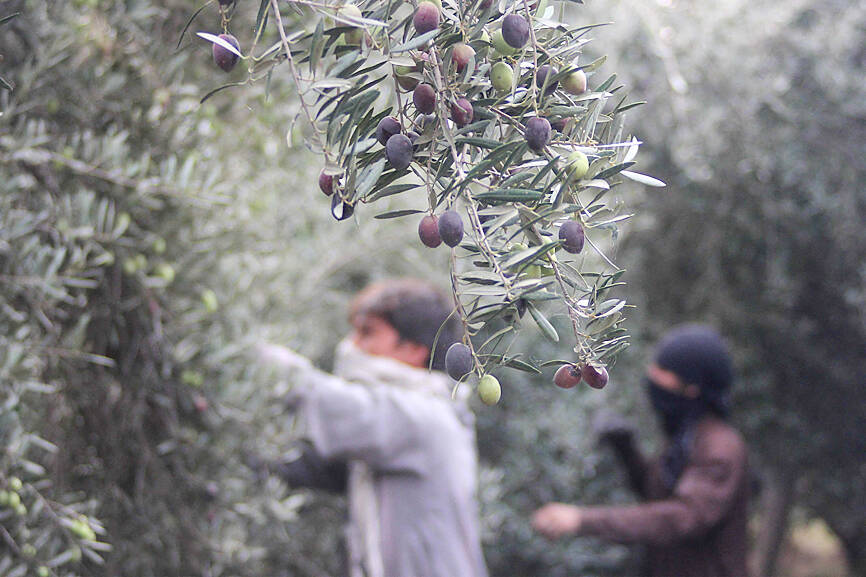
Abdullah Orzala established an olive grove 15 years ago in Saidan Arabi village, Nangarhar province. He chose olives because they are drought resistant and require less water than traditional crops like wheat, rice, or onions. The United Nations Food and Agriculture Organization says these trees also improve soil health and reduce erosion.
In the village, 500 residents hand-pick olives from organic orchards and use an experimental mill to cold-press the fruit into oil. The oil sells for up to US$17 per kilogram in organic shops in Kabul. Orzala has planted thousands more trees in a neighboring village, creating 16 permanent jobs. While olives are not a traditional part of Afghan cuisine, they provide a valuable cash crop for rural communities.
Local workers note that the trees offer a more reliable income than poppies, which fuel the illicit opium trade. The industry is expanding despite past destruction from wars. Italy provided equipment to a state-owned mill in 2019, and Taliban authorities have increased operations since 2021. The mill currently employs 70 people and produced 135,000 liters of oil last year.
While the director of the mill hopes to eventually reach international markets, the country's banking isolation and diplomatic exclusion currently limit sales to domestic consumers.
Selected and summarized by local AI How we work