Silk Road's cultural impact: Central Asia’s rise as a food hub
Summary and headline written by AI from the source article. How we work
Scholars explain that the ancient Silk Road in Central Asia functioned as a cultural exchange, not just a trade route, and shaped the region’s modern cuisine.
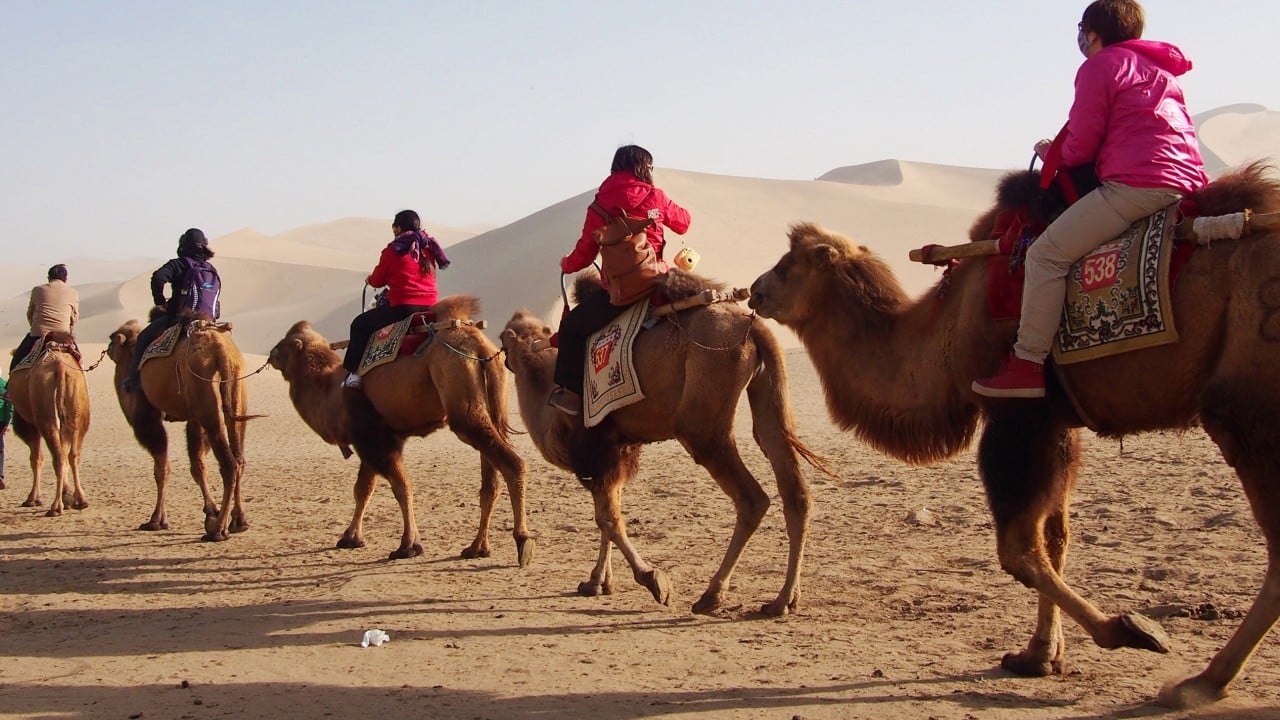
During China’s Tang dynasty (618 to 690, 705 to 907), the “golden peach of Samarkand,” from modern-day Uzbekistan, represented the exotic appeal of distant lands and demonstrated how food travelled along the Silk Road. Dr. Robert N.
Spengler III of the Max Planck Institute for the Science of Human History noted that Central Asia’s location at the crossroads of East and West allowed ingredients to spread in both directions. Foods originating in China, such as rice, chicken, and melons, moved westward through Central Asia. Conversely, crops and livestock from Southwest Asia, including wheat, lentils, cattle, and fava beans, travelled eastward via the same routes.
Spengler also stated that many people in East Asia and Europe lack knowledge of the empires that once flourished in Central Asia. The exchange of these goods established Central Asia as a blending point for cultures and cuisines. The region’s role in this historical process continues to influence its culinary landscape today.