Uganda partners with Heifer International to deploy solar power for farmers
Headline and summary by local AI
The Ugandan government and Heifer International are expanding the use of solar-powered equipment to help rural farmers preserve produce and reduce operational costs.
Through the Distributed Renewable Energy Ecosystem Model (DREEM) Hub Project, the partnership provides technologies for irrigation, milk chilling, food drying, and storage. This initiative targets communities where farmers lack access to the national electricity grid and currently rely on expensive diesel generators. Dr. Brian E.
Isabirye of the Ministry of Energy and Mineral Development stated that the government prioritizes off-grid options like standalone solar systems to boost production in remote areas, such as the cattle corridor. These technologies aim to curb the fact that Uganda loses up to 40 per cent of its agricultural produce after harvest due to poor storage and lack of refrigeration.
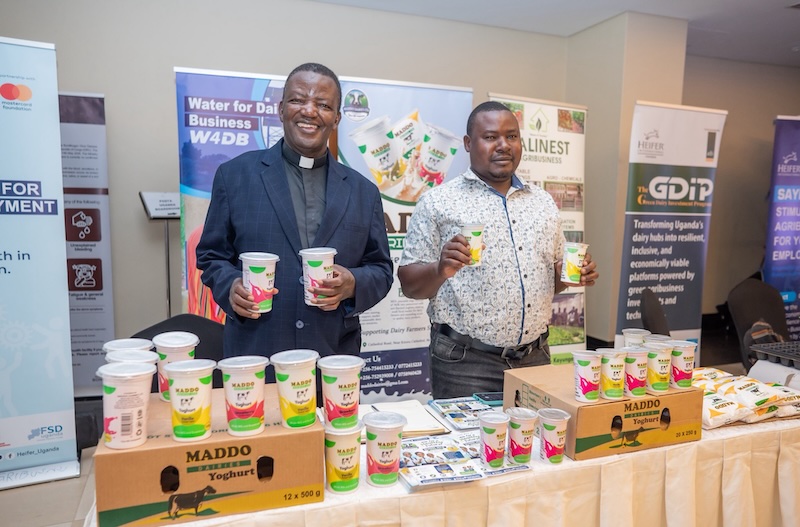
By using solar energy, dairy farmers can process milk into products like yoghurt, while coffee farmers can use technologies to improve the commercial value of their crops. William Matovu of Heifer International noted that reliable energy is vital for food security and helping farmers withstand climate pressures. He explained that milk often spoils because collection centres lack cooling facilities, causing farmers and processors to lose income.
Nyamwaka Edna of Heifer International Uganda reported that some cooperatives spend about 40 per cent of their operating costs on energy for diesel generators. The DREEM Hub Project has already installed three solar-powered milk-chilling systems to lower costs and carbon emissions. To address the high cost of solar technology, which can range from $1,000 to $50,000, the government established the Uganda Energy Credit Capitalisation Company (UECCC) to provide affordable credit to suppliers.
The government also introduced tax exemptions on solar panels, batteries, and inverters. Furthermore, officials are encouraging local assembly and manufacturing of these products to protect the economy from currency fluctuations. The DREEM Hub Project will continue its activities across Uganda, Kenya, and Tanzania until June 2027.
Selected and summarized by local AI How we work
Solutions: Technology, policy and initiatives already in use against a real problem, with results to show.