Rwanda shares health financing and outbreak preparedness models with Africa
Headline and summary by local AI
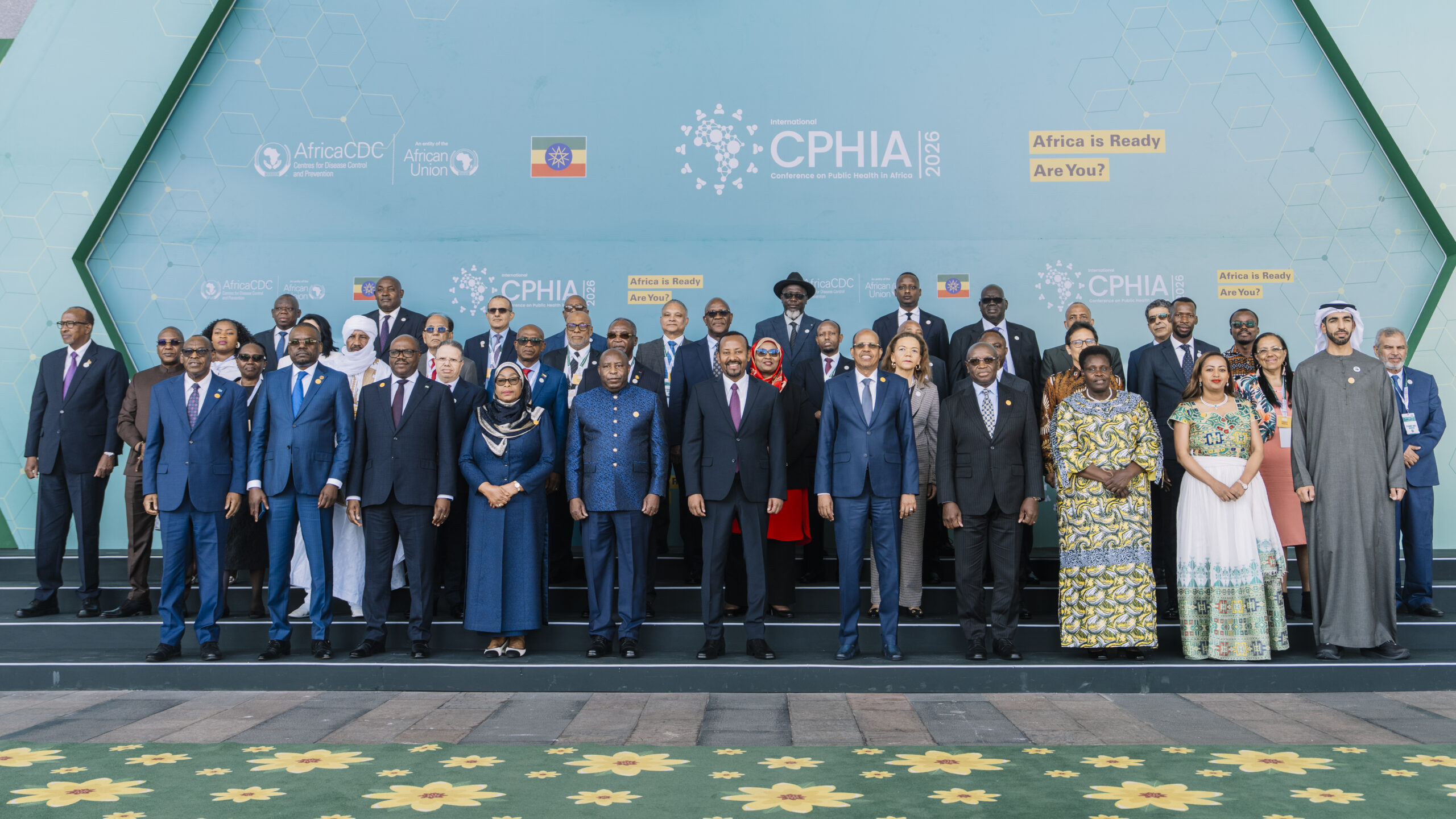
Prime Minister Dr Justin Nsengiyumva presented Rwanda’s community-based health insurance and disease response strategies to leaders at the Fifth International Conference on Public Health in Africa in Addis Ababa.
Speaking for President Paul Kaggee, Nsengiyumva argued that African nations must reduce their reliance on foreign aid by setting their own priorities and leading their own healthcare implementations. Nsengiyumva highlighted Mutuelle De Santé, a community-based insurance scheme that covers about 89 per cent of Rwandans.
This system helped the country lower infant deaths from 107 to 27 per 1,000 live births and increase life expectancy from 50 to 70.5 years since 2000. To ensure the scheme remains sustainable, the government introduced an income-based framework in 2026. Under this model, wealthier citizens pay more while the poorest receive full government subsidies, with members now providing 37 per cent of the total financing.
The Prime Minister also cited Rwanda’s management of the 2024 Marburg outbreak as evidence of the importance of pre-existing infrastructure. Because the country already maintained a network of community health workers and laboratories, it could screen more than 9.5 million people quickly. Rwanda contained the outbreak within three months and achieved a 22 per cent fatality rate, which Nsengiyumva noted was lower than historical rates for the virus.
Sierra Leone President Julius Maada Bio also spoke at the conference, reporting a 34 per cent decline in maternal deaths and a 12 per cent drop in child deaths. Bio attributed these results to a national campaign featuring a weekly accountability system where the Ministry of Health reviews deaths every Friday to assign corrective actions. Sierra Leone plans to fund 30 per cent of its 1.2 billion dollar health compact through domestic resources.
Selected and summarized by local AI How we work