Uganda launches National Energy Compact to expand electricity and clean cooking
Headline and summary by local AI
The Government of Uganda launched the National Energy Compact to expand electricity access and modern cooking solutions across the country.
In partnership with the African Development Bank Group, the Ministry of Energy and Mineral Development established this plan to reach 85% electricity access and 50% access to modern cooking by 2030. The initiative aims to provide modern electricity services to more than 13 million additional Ugandans.
The government intends to achieve these goals by expanding the national grid, deploying approximately 2,712 mini-grids, and increasing the use of stand-alone solar systems. The plan targets a total of six million solar home systems by 2030. To increase generation capacity, the government plans to raise operational installed capacity from approximately 2,099 megawatts in 2025 to about 2,500 megawatts by 2030.
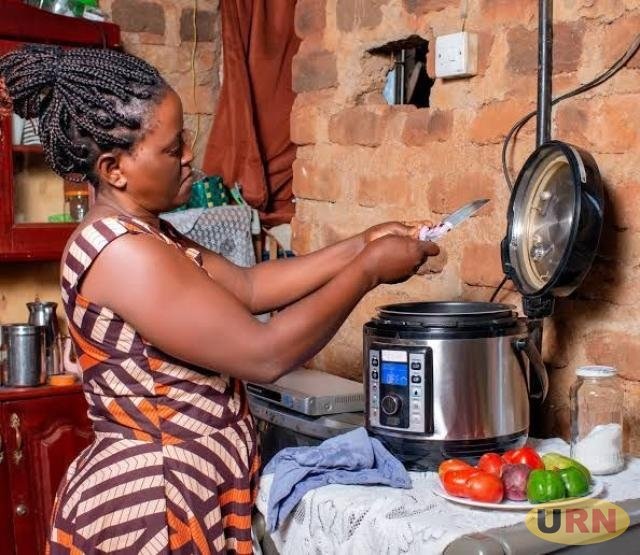
Officials noted that while the country currently has a surplus of installed capacity over peak demand, hydrological variability and transmission bottlenecks currently limit reliable supply. The Compact also focuses on clean cooking to reduce health risks and pressure on forest resources. The government aims to move households away from traditional biomass toward liquefied petroleum gas, electric cooking, bioethanol, biogas, and improved cookstoves.
To support this, the Uganda Energy Credit Capitalisation Company will create a Clean Cooking Acceleration Facility to provide consumer financing and fund behavior-change programs. The government also plans to use associated gas from Lake Albert oil developments to support the domestic liquefied petroleum gas supply chain. To fund these projects, the government seeks a total investment of US$17.7 billion between 2026 and 2030. This includes a commitment to mobilize approximately US$9.4 billion in additional private capital.
The government plans to establish a Green Energy Facility and Guarantee Fund to provide project preparation support and partial-risk guarantees for investors. Additionally, the government intends to strengthen cross-border transmission links with Kenya, South Sudan, Tanzania, and the Democratic Republic of Congo to increase annual electricity export revenues.
Selected and summarized by local AI How we work
More in Solutions
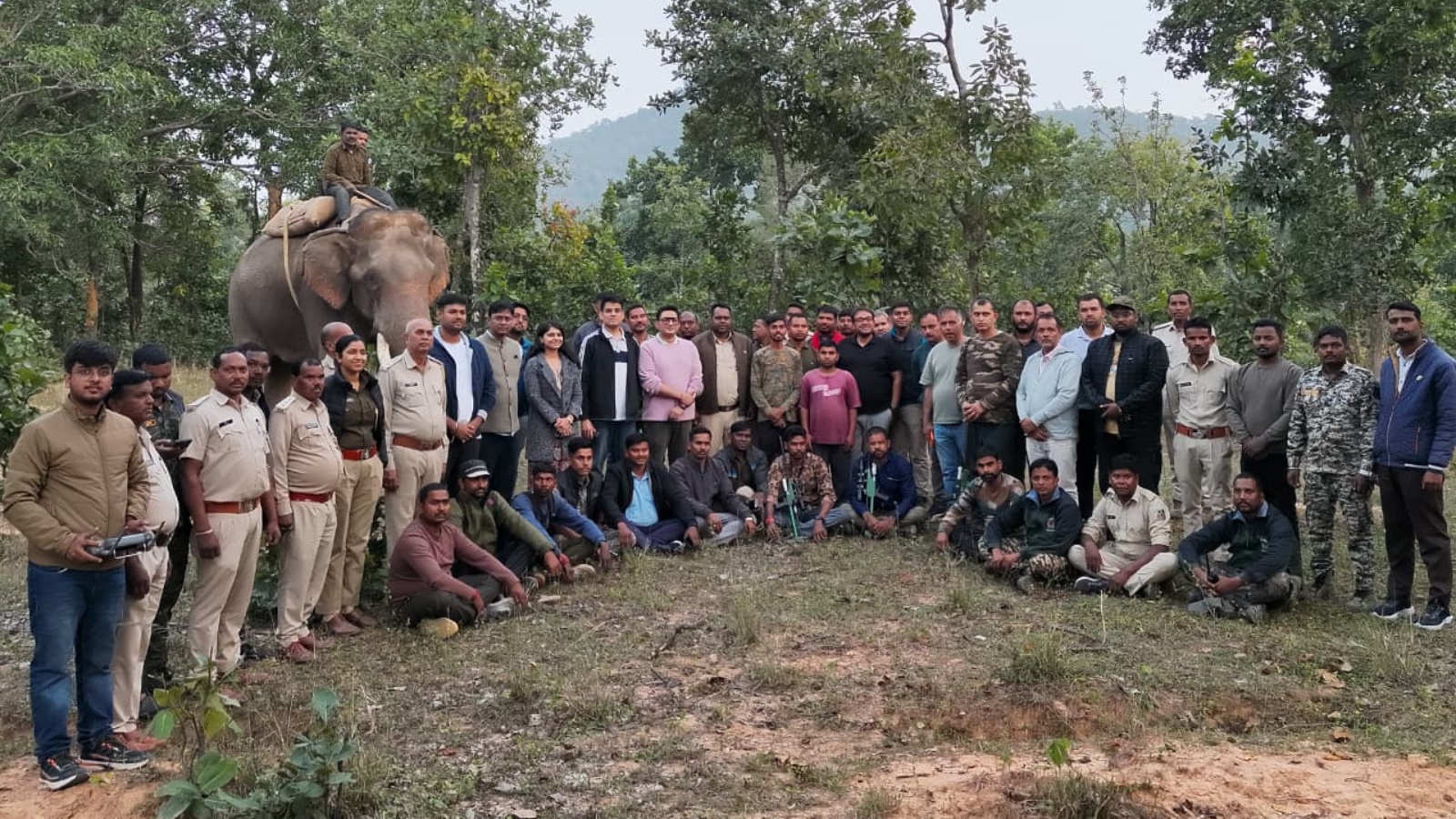
Chhattisgarh forest officials radio collar aggressive elephant to prevent attacks
indianexpress.com · 19 Nov 2026

Senegal launches new strategy to formalize informal economy by 2030
lequotidien.sn · 21 Nov 2026

Guinea launches school project to tackle waste management issues
mosaiqueguinee.com · 16 Nov 2026