Ethiopia targets 100 percent electric public transport by 2030
Summary and headline written by AI from the source article. How we work
Ethiopian authorities are accelerating a transition to electric vehicles to reduce dependence on imported petroleum and leverage the country's renewable energy resources.
By shifting from fossil fuels to domestically generated electricity, the government aims to protect the economy from global oil price volatility and inflation. This strategy utilizes Ethiopia's extensive hydropower, wind, solar, and geothermal resources, including the capacity provided by the Grand Ethiopian Renaissance Dam.
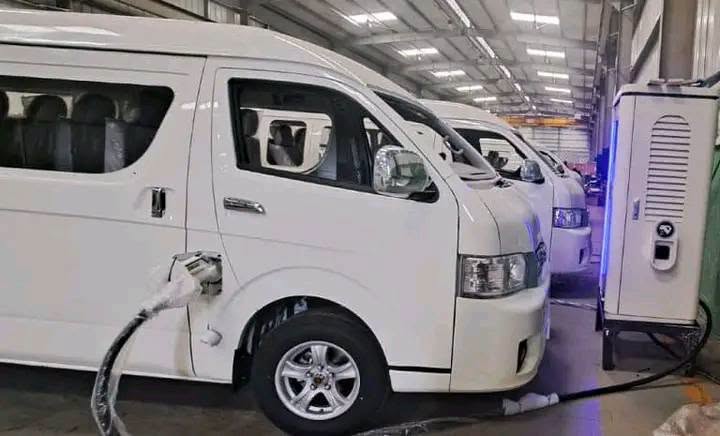
The government's National E-Mobility Strategy and Implementation Plan for 2025 to 2030 sets specific targets for the next few years. Officials aim for electric vehicles to account for 80 percent of new passenger-car registrations and 100 percent of new public-transport vehicle registrations by 2030. To support this growth, the plan includes building more than 2,000 public charging points and ensuring that 30 percent of electric vehicles are produced or assembled locally. The transition also focuses on industrial growth and infrastructure.
The country currently has nearly 17 vehicle assembly plants to build a domestic manufacturing base. Authorities are also planning to study charging infrastructure along the Ethio-Djibouti corridor to support heavy-duty electric trucks for regional trade. While the Ethiopian Electric Utility and private operators are expanding charging networks, the government acknowledges that the transition requires improving grid reliability and expanding electricity access to underserved communities.


