Ethiopia shifts focus to domestic manufacturing and value creation
Summary and headline written by AI from the source article. How we work
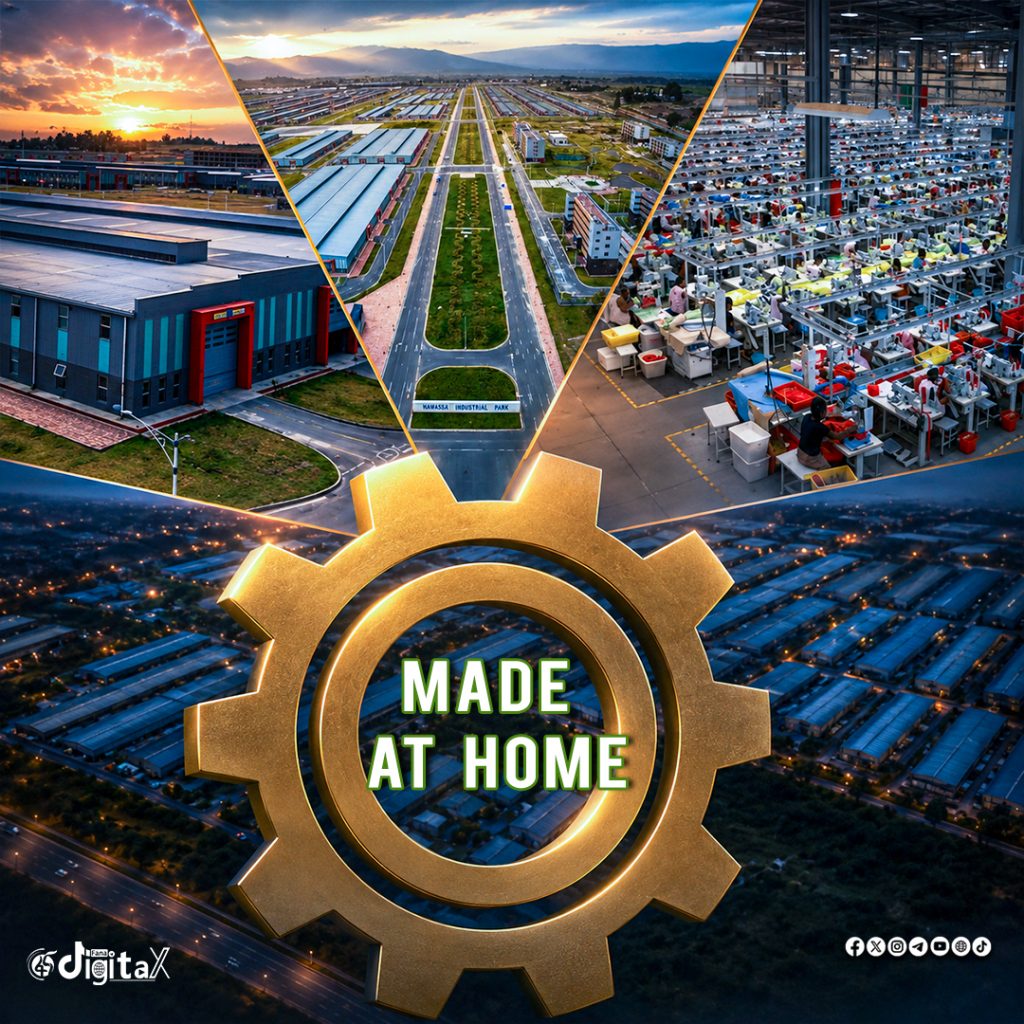
Ethiopia is changing its economy to prioritize making products within the country instead of importing finished goods.
For years, the nation has been known as a buyer of manufactured products, but it is now working to build its own production capabilities. This effort extends beyond simply reducing imports, aiming to create jobs, develop skills, and increase the overall value of its economy.
The Ethiopian Ministry of Industry is actively strengthening manufacturing, fostering connections between businesses of different sizes, and replacing key imports with domestically produced alternatives. In September 2026, the Ministry released a National Import Substitution Strategy to guide these efforts across specific manufacturing sectors. The “Made in Ethiopia” initiative serves as a public symbol of this economic shift, but the goal is to build lasting industrial capacity.
Success depends on whether new industries can improve productivity, quality, and innovation to compete in larger markets. Ethiopia hopes to use its large internal market as a starting point, then expand into regional markets and eventually participate in global supply chains. This transition could change how the world views Ethiopia, moving it from a consumer and raw material source to a location for manufacturing and technological development.