Ethiopia transforms agriculture to boost exports and save currency
Summary and headline written by AI from the source article. How we work
In Ethiopia, farmers are growing more wheat and coffee to reduce the need for imports and increase foreign currency earnings.
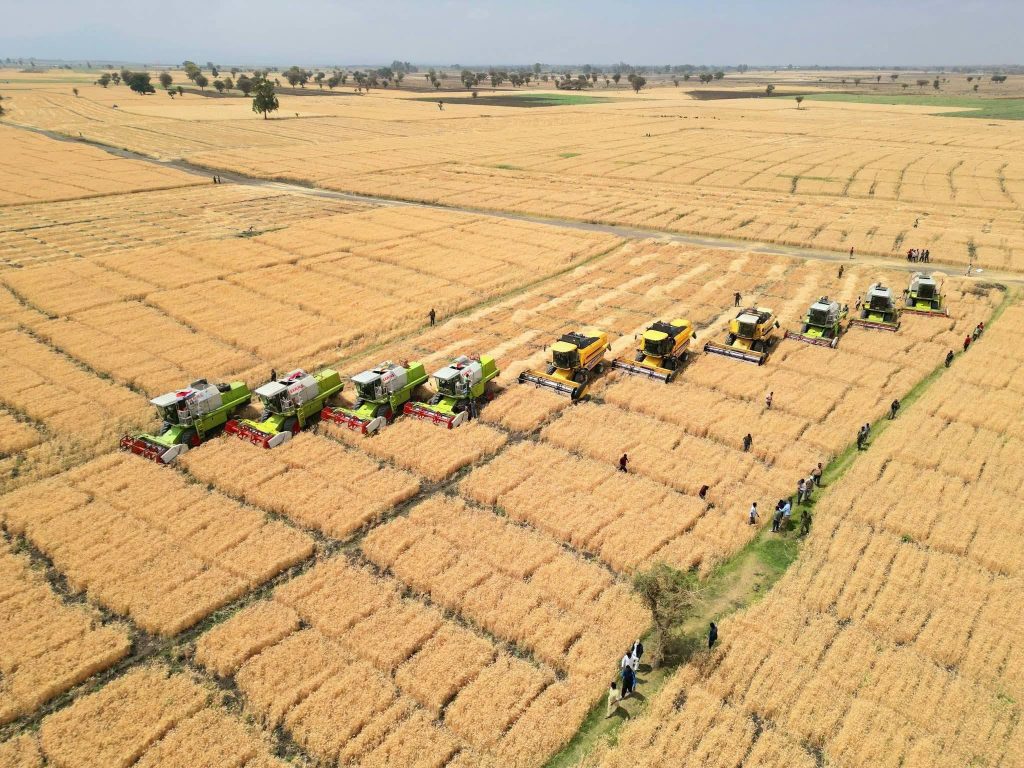
For years, Ethiopia spent up to one billion US dollars each year importing wheat. However, increased domestic wheat production allowed the country to produce 280 million quintals of wheat in 2025, replacing 2.6 million quintals of imports and saving approximately one billion dollars. Coffee exports also contribute significantly to Ethiopia’s economy.
The country earned 2.65 billion dollars from exporting over 470,000 tonnes of coffee in the 2024/25 fiscal year, and recently reached a record three billion dollars in the current fiscal year. The Ethiopian government is also working to improve coffee quality and processing to capture more value from exports.
Beyond wheat and coffee, overall agricultural output in Ethiopia increased from 41.7 million tonnes to around 150 million tonnes over seven years, with cluster farming now involving 9.5 million farmers across 12.8 million hectares. While Ethiopia still faces challenges with food security, climate vulnerability, and market pressures, the country aims to strengthen its economy by linking agricultural production to both domestic needs and export opportunities.