Ethiopia transforms farming with integrated approach
Summary and headline written by AI from the source article. How we work
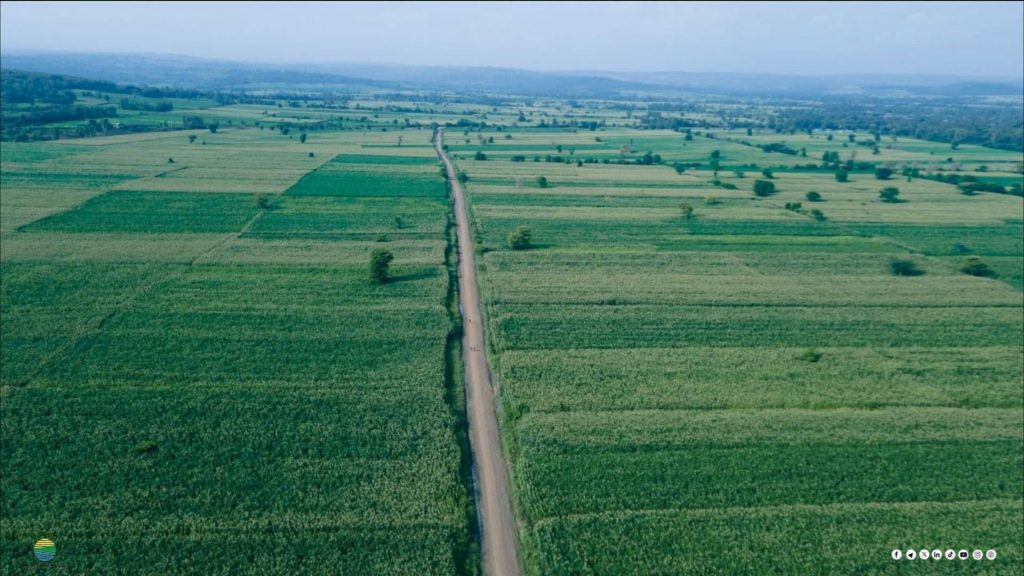
Across Ethiopia, farmers are participating in a large-scale experiment combining improved seeds, irrigation, mechanization, and organized farming practices to boost agricultural output.
The country has focused on integrating these elements, often treated separately, to see how they perform when implemented nationally. This is particularly evident in wheat production, where heat-tolerant varieties and irrigation have expanded to cover approximately one million hectares with an average yield of four tonnes per hectare.
Ethiopia is also utilizing “cluster farming,” organizing about 9.5 million farmers across 12.8 million hectares to improve productivity and incomes. Expanding irrigation is shifting the agricultural calendar away from reliance on rainfall, allowing for multiple growing seasons and more diverse crops. The World Bank supports this approach as a key way to increase productivity and food security.
Beyond irrigation and seeds, Ethiopia is integrating digital tools like weather and climate information, which research shows can increase maize yields by 27 percent and wheat yields by 17 percent. The country views agricultural innovation not just as developing new technologies, but as assembling them into functioning systems capable of scaling nationally. While Ethiopia still faces challenges like droughts, pests, and conflict, this experiment aims to build productivity and resilience even amidst ongoing difficulties.