Japan and UN Women strengthen climate resilience for women farmers in Kigoma
Headline and summary by local AI
The Government of Japan and UN Women are supporting a project in the Kigoma Region of Tanzania to improve disaster preparedness and climate resilience, specifically focusing on the needs of women.
The initiative aims to help communities anticipate and respond to climate-related disasters while ensuring that women participate in the decisions that affect their safety and livelihoods. Because women often face limited access to resources and information, the project works to remove barriers that prevent them from influencing community planning.
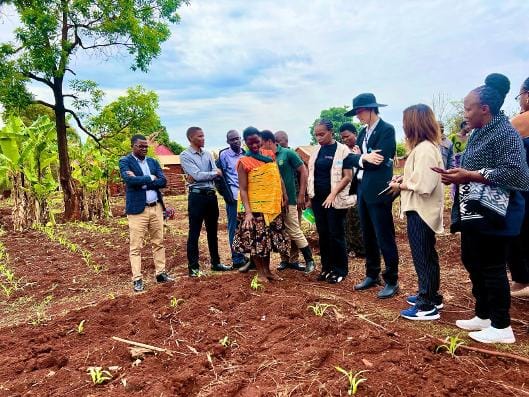
Local authorities and the Ministry of Agriculture Training Institute (MATI) Mubondo have collaborated to train more than 700 farmers from 20 wards in climate-smart agriculture. These farmers, many of whom are women, received training on soil and water conservation, post-harvest management, and disaster preparedness. The project also provided these farmers with seeds and other agricultural inputs to help them implement these new techniques during the current planting season.
These efforts are intended to protect rural livelihoods from unpredictable weather patterns like floods and droughts. The project is also developing a draft Gender-Responsive Disaster Risk Reduction Framework for the Kigoma Region. This framework seeks to integrate gender equality into disaster planning across eight councils by focusing on areas such as women's leadership, early warning systems, and economic recovery. It also aims to include protections against gender-based violence during emergencies.
This initiative is part of a larger regional program involving Tanzania, Rwanda, and Malawi to share knowledge and improve disaster preparedness across the three countries.
Selected and summarized by local AI How we work