Tanzania government targets elimination of households without toilets
Headline and summary by local AI
The Tanzanian Ministry of Health is intensifying efforts to ensure every household has a toilet to reduce the spread of preventable diseases.
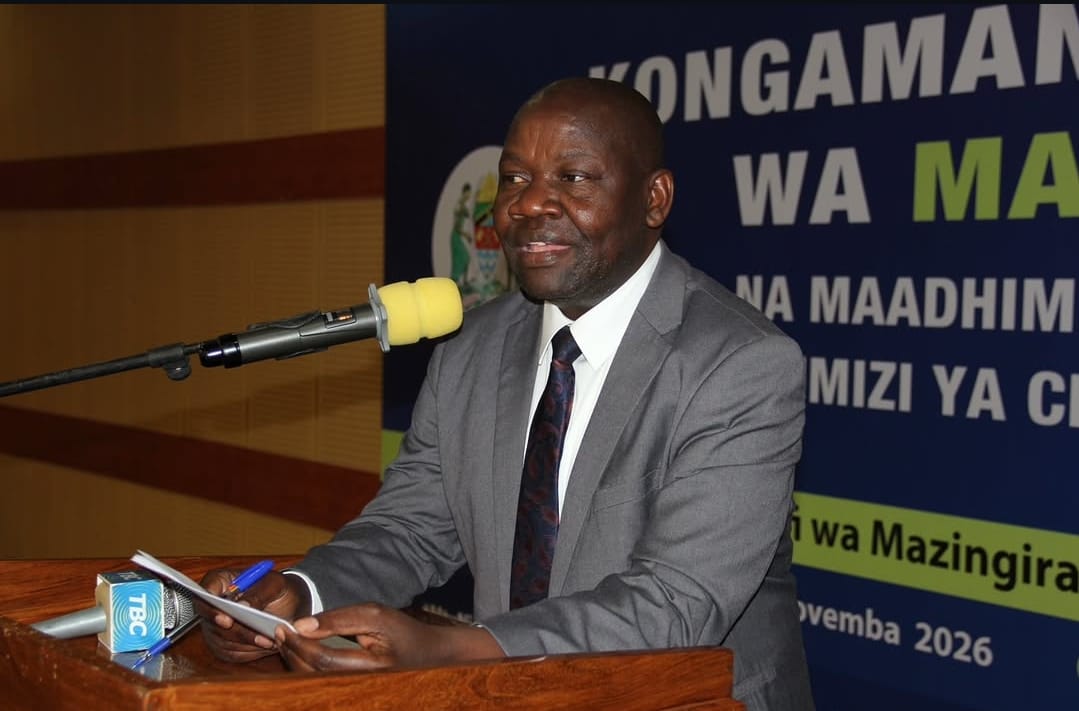
Dr Samweli Lazaro, the Director of Preventive Services, announced these plans during a sanitation conference in Dodoma to mark World Toilet Day. Data from the National Sanitation Management Information System shows that 79 per cent of households in Tanzania currently have improved toilets, leaving only 1 per cent of households without any basic sanitation facilities.
Despite this progress, the ministry noted that only 50 per cent of households have handwashing facilities. Dr Lazaro stated that better sanitation, safe water, and waste management are necessary to lower healthcare costs, as communicable diseases cause more than 70 per cent of outpatient cases in health facilities. The government is collaborating with the Ministry of Water to improve wastewater services and provide infrastructure to local councils.
To support these goals, the Sustainable Rural Water Supply and Sanitation Programme provides funds to 137 district councils to monitor toilet construction. While regions like Iringa and Njombe have achieved open defecation free status, UNICEF is providing financial and technical support to help the Mbeya and Songwe regions reach the same goal. Mr Selemani Yondu of the Prime Minister’s Office noted that a shortage of environmental health officers currently hinders service delivery.
He urged the government to revise staffing guidelines to ensure there are enough officers to manage sanitation in schools, public places, and health facilities.
Selected and summarized by local AI How we work