Uganda reduces perinatal deaths through new neonatal care units

Headline and summary by local AI
The Uganda Ministry of Health reported a decline in perinatal deaths, which include stillbirths and deaths of newborns within their first week of life. Perinatal deaths dropped from 18.5 per 1,000 births in 2021 to 13.7 per 1,000 births in 2025.
While the national numbers improved, the ministry noted that death rates remain high in several regions. Buganda, Kampala, Busoga, and West Nile each reported more than 2,000 perinatal deaths, exceeding the national average of 1,550 deaths per region.
However, regions such as Teso, Kampala, Bukedi, and Bunyoro showed some of the strongest reductions in these deaths over the last two years. Dr Richard Mugahi, the commissioner for reproductive and child health, attributed these improvements to increased investments from the government, private companies, and development partners. One specific success occurred in the Bukedi sub-region, where perinatal deaths fell from 1,039 to 741 between 2024 and 2025.
This was achieved by transforming a space at Pallisa Hospital into a Level 2B Neonatal Intensive Care Unit (NICU) with equipment worth approximately Shs2 billion. The ministry identifies birth asphyxia as the leading cause of early neonatal deaths, though its share of total deaths declined from 59 percent to 46 percent over three years.
To address these issues, the ministry is prioritizing better oxygen supply in health facilities and the use of the PREWAVED care bundle, which provides guidelines for health workers to detect and manage risks. Prof Charles Olaro, the director general of health services, also called for better mentorship of midwives to improve medical decisions in labor suites.
Selected and summarized by local AI How we work
Solutions: Technology, policy and initiatives already in use against a real problem, with results to show.
More in Solutions

Delhi Police install thousands of cameras to improve women's safety
indianexpress.com · 16 Nov 2026

Singapore launches US$500 million fund to boost regional food resilience
eco-business.com · 16 Nov 2026
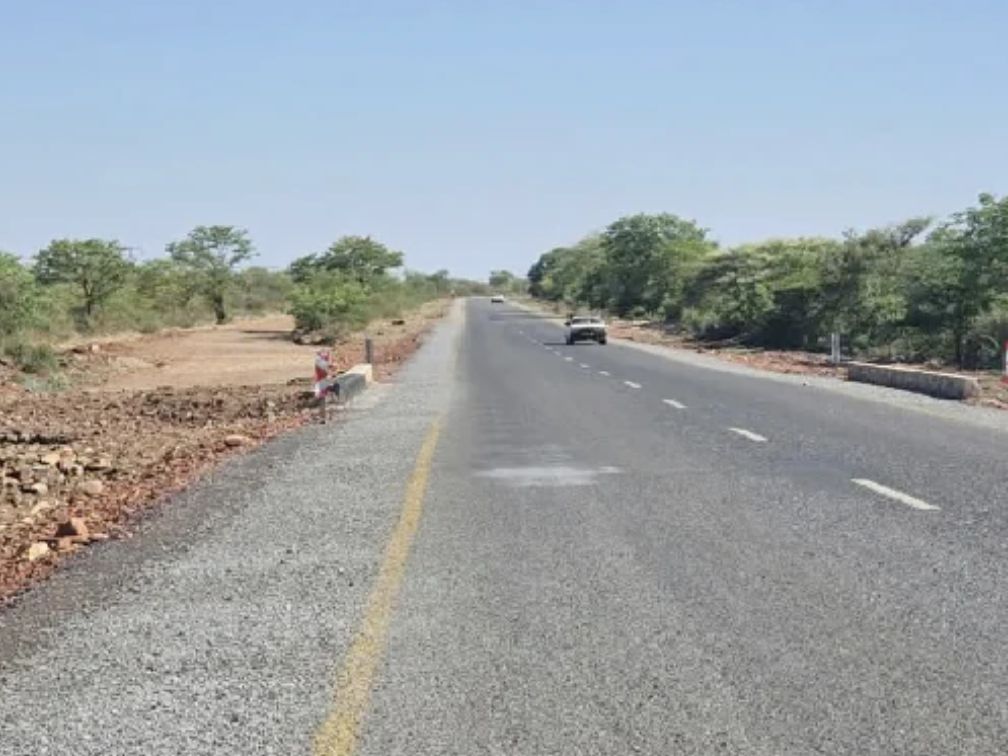
Road rehabilitation shortens travel time between Bulawayo and Inyathi
heraldonline.co.zw · 15 Nov 2026