Culture shapes how people view medieval Nubian art
Headline and summary by local AI
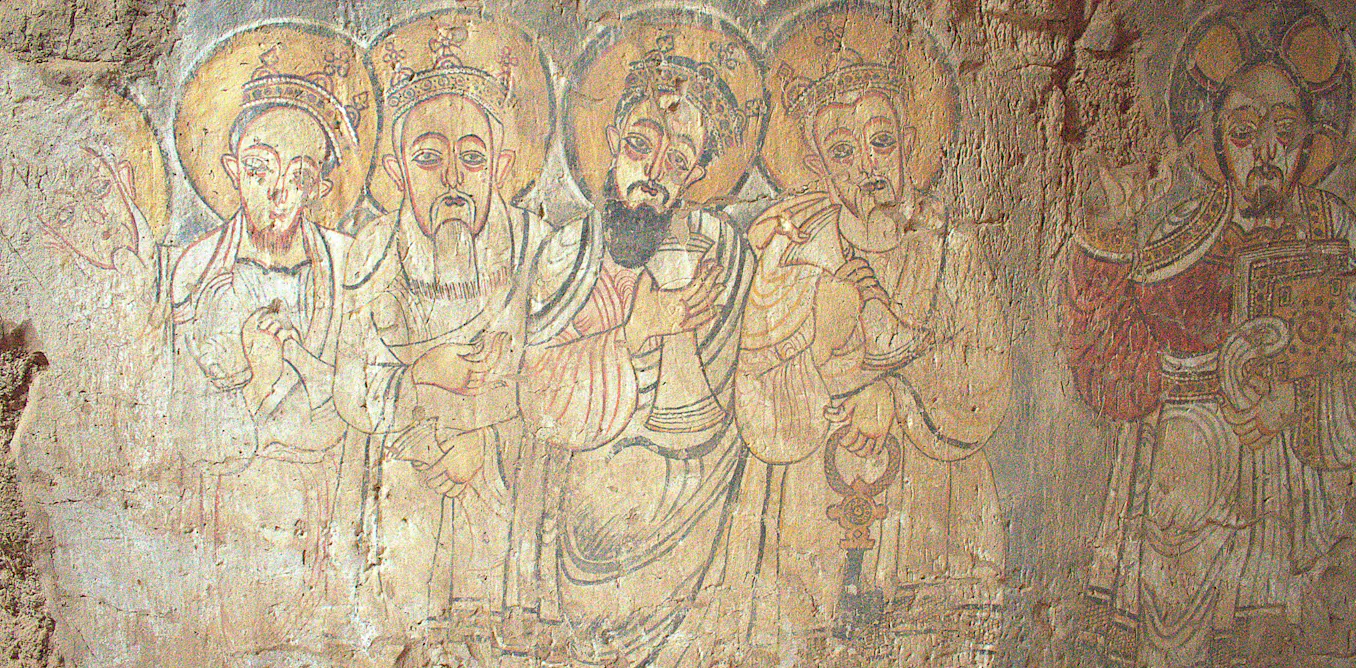
A team of researchers including Marwa Satti, Mohammed Hassan Siedahmed, and Tobiasz Trawinski used eye-tracking technology to study how different cultures perceive medieval paintings in Old Dongola, Sudan.
The researchers observed 48 Sudanese people and 19 participants from western cultural backgrounds as they viewed religious artwork in a medieval monastery at Kom H.
The team used special glasses equipped with cameras to map where participants looked, how long they stayed on specific elements, and the order in which they scanned the images. The study found that while both groups eventually spent a similar total amount of time looking at faces, bodies, objects, and backgrounds, they followed different visual paths to get there. Sudanese participants initially focused on attributes, such as keys or scrolls, before moving to faces and the wider context.
In contrast, western participants first focused on bodies and faces, skipping a deep exploration of the background during the first 20 seconds of their viewing. The researchers suggest these differences reflect how personal experiences and cultural backgrounds influence what people find meaningful. Sudanese participants often noted objects they encounter in daily life, while westerners with knowledge of Christian iconography may have prioritized recognizing faces.
The team believes these findings can help heritage managers create more inclusive narratives that cater to the different ways people from various cultures interpret and make sense of historical art.
Selected and summarized by local AI How we work


