Kenya’s Flower farms seek safer pesticide waste disposal
Summary and headline written by AI from the source article. How we work
Flower farmers in Kenya, alongside aak-GROW and the Kenya Flower Council, are collaborating to improve how they manage pesticide waste.
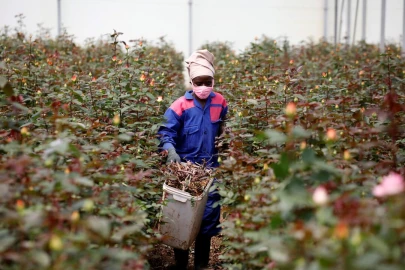
Kenya’s floriculture industry earns around 110 billion Kenyan Shillings annually from exports and employs over one million people. However, flower production generates significant waste including pesticide containers and plastic packaging, which can harm workers and the environment if not handled properly.
Recently published Extended Producer Responsibility (EPR) Regulations in November 2024 shift financial and physical responsibility for waste management to manufacturers and importers. To support these regulations, aak-GROW and the Kenya Flower Council signed a Memorandum of Understanding (MoU) to strengthen responsible pest control and waste management practices. The partnership will focus on establishing collection centres for empty pesticide containers, improving transportation systems, and connecting farms with licensed waste handlers like the Hazardous Waste Producer Responsibility Organisation of Kenya (HAPROK).
They will also offer training to flower farms, including smallholder growers, on safe pesticide handling and environmental stewardship, encouraging farmers to separate waste at the source. This collaboration aims to reduce the financial burden on farmers and ensure that waste is disposed of safely and responsibly, benefitting both the environment and the country’s export market.