Kenya second-hand clothing trade supports millions of livelihoods
Headline and summary by local AI
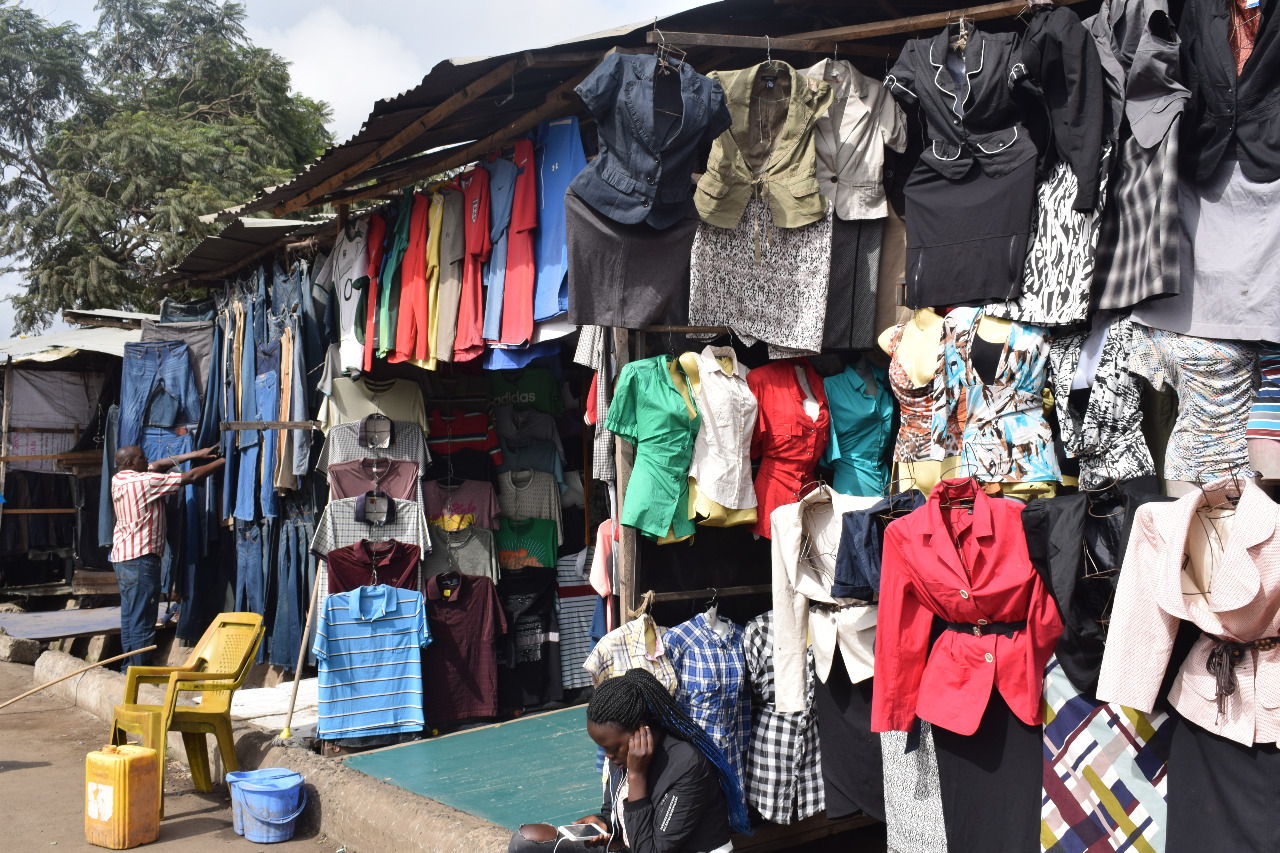
The second-hand clothing trade in Kenya supports more than two million livelihoods and promotes a circular economy by extending the life of garments.
Teresia Njenga, Chairperson of the Mitumba Consortium Association of Kenya, argues that wearable clothing should be distinguished from textile waste. She explains that keeping products in use preserves resources and provides affordable clothing to millions of households while creating jobs for women, young people, and small-scale entrepreneurs.
The Kenya National Bureau of Statistics reported that the value of second-hand clothing imports rose from Sh18.96 billion in 2021 to Sh30.26 billion in 2025. Njenga notes that while the trade offers economic opportunities, it also faces environmental challenges such as inadequate waste collection and poor sanitation. She suggests that instead of blanket restrictions on imports, governments should focus on targeted interventions to manage garments that cannot be reused.
The Mitumba Consortium Association of Kenya calls for a shared responsibility between exporting and importing countries. Exporting nations should improve sorting and quality controls, while Kenya and other importing countries should invest in repair enterprises and recycling infrastructure. Njenga emphasizes that Africa is a hub for consumers and entrepreneurs who create value from garments, and the global textile industry should view these reuse networks as partners in sustainability.
Selected and summarized by local AI How we work
Solutions: Technology, policy and initiatives already in use against a real problem, with results to show.