More Dutch municipalities use post-sorting to handle plastic waste
Headline and summary by local AI
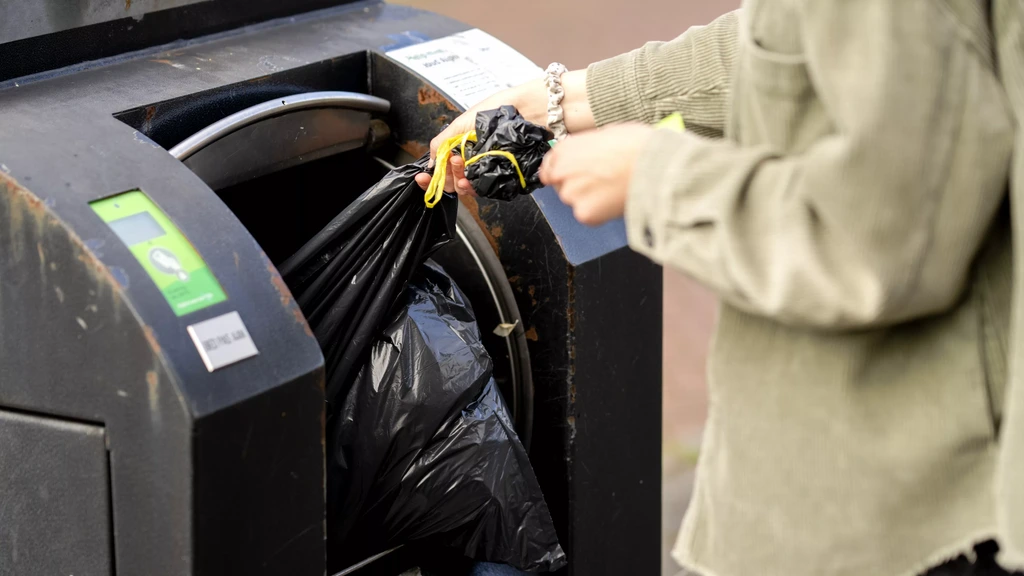
More municipalities in the Netherlands are choosing to use post-sorting systems to process plastic, metal, and drink carton packaging. This method allows residents to dispose of waste without separating it at home, as a facility processes the waste later.
The Centraal Bureau voor de Statistiek reports that nearly 60 percent of municipalities used post-sorting last year. This represents a sharp increase from 2023, when only a quarter of municipalities used the system.
The agency suggests that local governments choose this option because it is cheaper or because residents do not separate their waste accurately enough. While the number of municipalities collecting separated waste decreased slightly, the agency notes this change does not perfectly match the rise in post-sorting. In 2024, the average Dutch resident produced 444 kilograms of household waste, including 176 kilograms of residual waste and 20 kilograms of packaging.
The amount of residual waste per person reached its lowest level since 1993.
Selected and summarized by local AI How we work
Solutions: Technology, policy and initiatives already in use against a real problem, with results to show.


