International demand revitalizes traditional mahjong industry in China
Headline and summary by local AI
Manufacturers in Taixing, a rural town in China, are updating their production methods to meet a growing global demand for mahjong, a traditional Chinese tile-based game.
The mahjong industry in Taixing began in the 1980s as a small craft passed down through families and neighbors. It has since expanded into a local industry with nearly 200 factories.
While the town is located near major cities like Shanghai and Nanjing, it has become a hub for producing the 144 tiles used in the game. Recent interest in Chinese culture and appearances in American media, such as the film Crazy Rich Asians and the talk show The Tonight Show, have fueled a surge in international sales. Wang Hao, a former Alibaba employee, opened a factory in Taixing to produce tiles specifically for the foreign market.
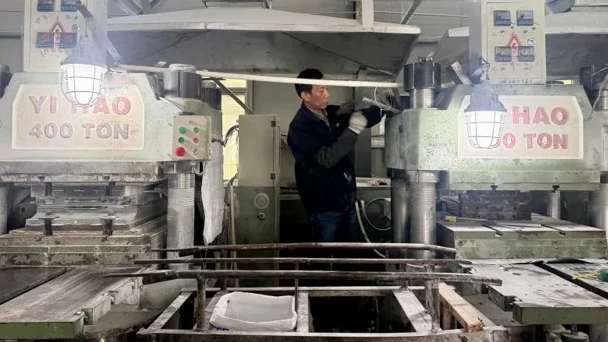
The production process combines traditional methods with modern technology. Workers still use ovens and hot presses to mold and polish the tiles by hand, but factories now use UV printers to add colors and patterns that appeal to international players. This shift allows older generations of makers to continue traditional prep work while younger makers experiment with new designs. The game is also gaining popularity in the Netherlands.
Désirée Heemskerk, chairperson of the Nederlandse Mahjongbond, noted that the number of associations in the country grew from a few in 2004 to 27 today. She observed that many Dutch youths are drawn to the Japanese Riichi-mahjong variant through anime. To grow the community, the Nederlandse Mahjongbond plans to reach out to schools and student associations to encourage young people to form their own clubs.
Selected and summarized by local AI How we work
Belonging: Community bonds, rootedness, and living cultural practices and heritage.