Opinion: how Serbia rewrites history and glorifies war criminals
Summary and headline written by AI from the source article. How we work
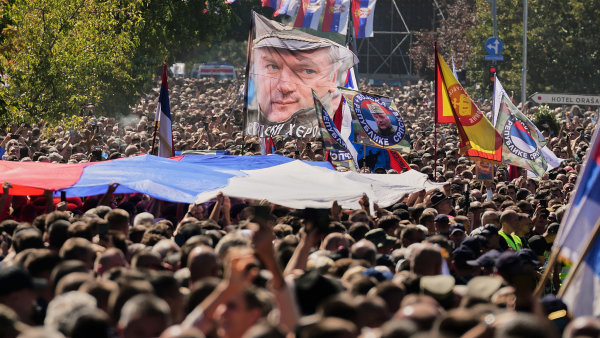
Young Serbians recently mourned Ratko Mladić, a convicted war criminal, demonstrating a troubling trend of selective memory and historical revisionism.
William Hirst, an American psychologist studying how people remember the September 11th attacks, found that parental accounts beginning with “I was there” heavily influence how younger generations understand events. This observation resonated with the author while watching young Serbians express fervent emotion at Mladić’s funeral.
The author connects this phenomenon to a broader pattern of avoiding guilt for the wars of the 1990s in the former Yugoslavia. The article suggests that parents are shaping narratives for their children, framing events in a way that overlooks or justifies Mladić’s crimes. This selective perception of the past isn’t unique to Serbia, the author notes, and exists in other parts of Europe as well.
The piece intends to explore Mladić’s key crimes, reasons why Serbians avoid acknowledging responsibility for the war, and other European examples of this selective historical view.