Lake Baikal water levels rise after decades of decline

Headline and summary by local AI
Chinese scientists found that Lake Baikal, the world's largest reservoir of surface fresh water, is beginning to recover from a long period of decline.
During the second half of the twentieth century, the lake lost water due to a lack of rainfall, high evaporation rates, and excessive water consumption. This decline threatened local ecosystems, agriculture, industry, and the drinking water supply for nearby residents. Researchers used dendrochronology, the study of tree rings, to track these changes.
By analyzing trees up to 350 years old, the team discovered that extreme droughts caused water levels to drop by as much as 90 percent. The data showed that about half of these extreme dry years occurred since 1900. However, a reversal in this trend began in 2017. Since then, the lake's flow has increased by 145 percent above the long term average. The scientists attribute this recovery to a combination of factors.
Changes in northern seas likely increased rainfall, while local authorities implemented conservation measures to protect the ecosystem. These actions include improving water storage facilities for domestic and agricultural use and identifying underground rocks that replenish during rains to provide safe water sources. The researchers also suggested that restoring wetlands in the Selenge River delta could help the lake retain water for use during dry months.
Selected and summarized by local AI How we work
More in Recovery
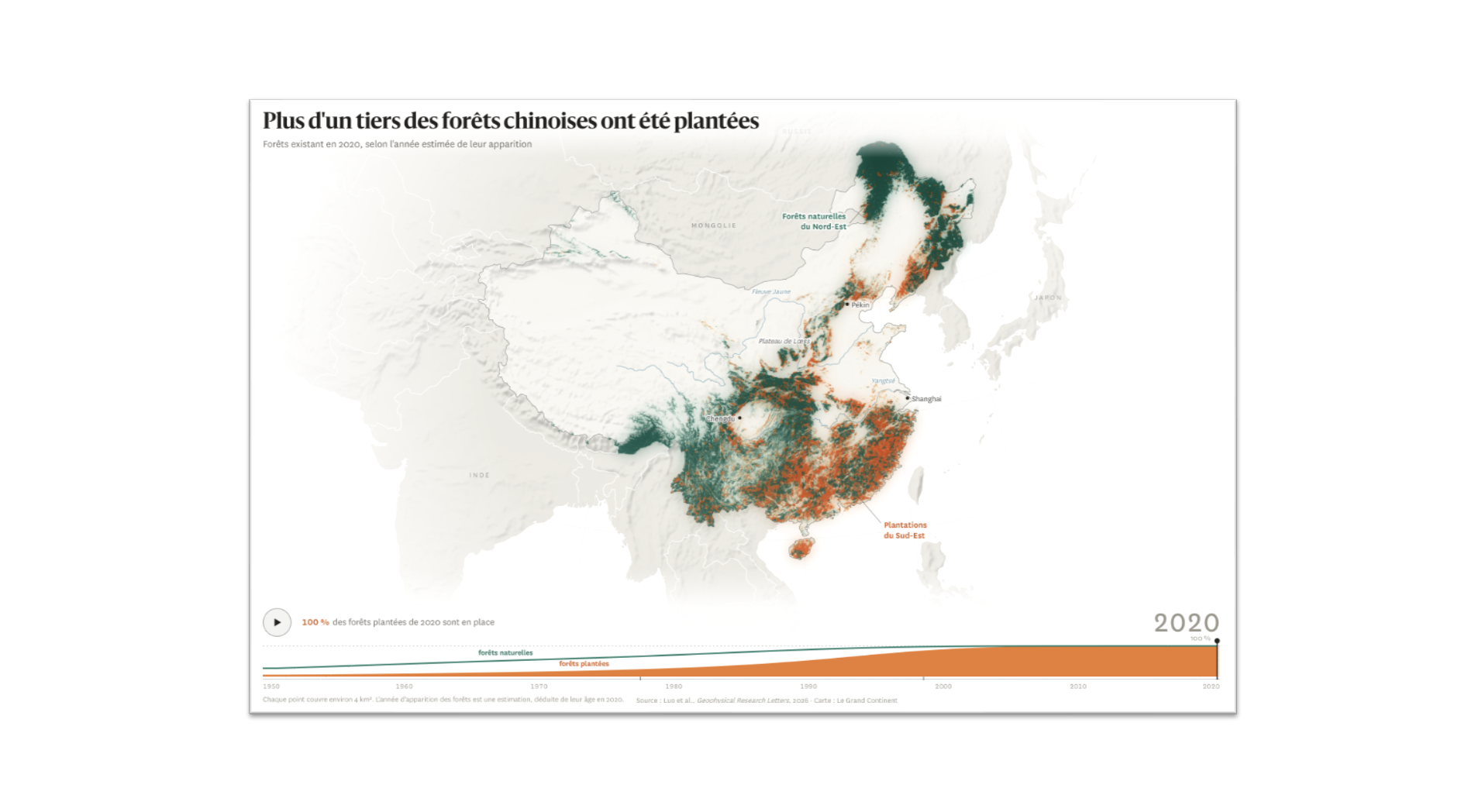
China aims to plant 100 billion trees by 2050 to Combat Desertification
legrandcontinent.eu · 21 Nov 2026

Smooth coated otters return to Kuala Lumpur river as water quality improves
news.mongabay.com · 23 Nov 2026

Kentucky reintroduces elk to former coal mines to restore biodiversity
futura-sciences.com · 17 Nov 2026