Comb jellies challenge understanding of early animal life
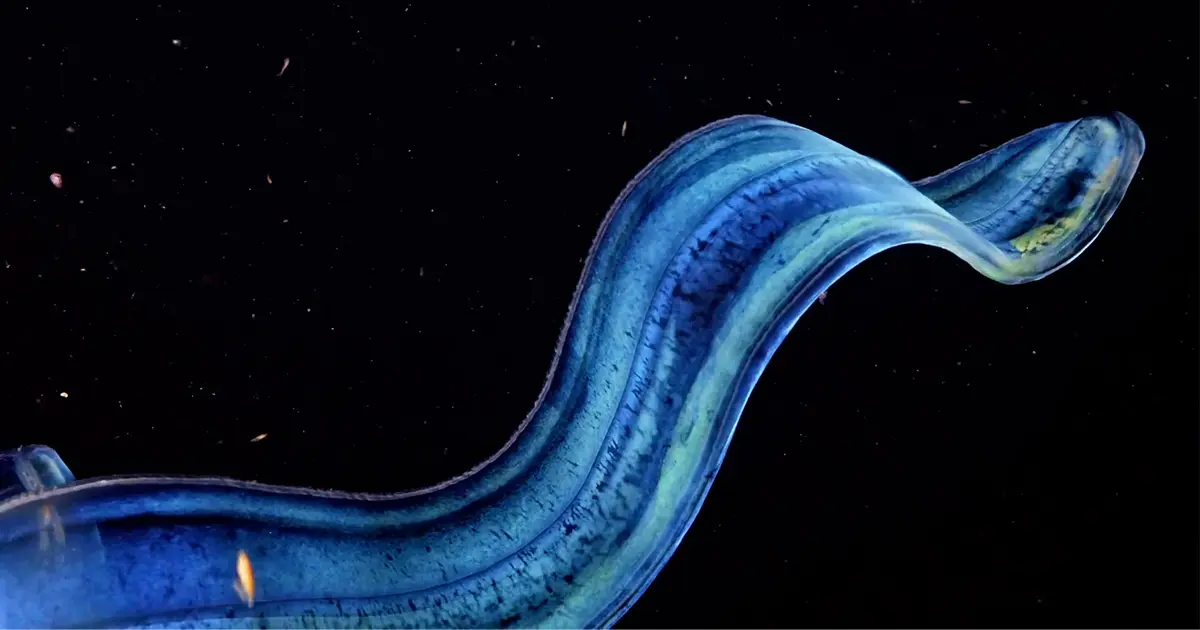
Summary and headline written by AI from the source article. How we work
Around 700 million years ago, comb jellies, gelatinous marine animals, diverged from other animal lineages, and scientists are now investigating whether they represent the earliest branch in animal evolution.
For over a century, sponges held that position, but recent genomic evidence suggests ctenophores, as comb jellies are scientifically known, may have appeared first. This finding is surprising because ctenophores possess muscles and a basic nervous system while sponges do not, challenging expectations about the simplicity of the earliest animals.
Researchers like Pawel Burkhardt at the University of Bergen study ctenophores to understand how nervous systems evolved. Access to the nearly 200 species of comb jellies living in diverse marine environments allows scientists to explore adaptations to conditions like high pressure and low light. These animals, found in oceans worldwide, are not jellyfish despite the common name, and their unique biology is revealing new insights into fundamental life processes. The study of ctenophores extends beyond evolutionary history.
Scientists have observed some species reversing their development and others possessing special lipids that allow them to survive in deep-sea environments. Itay Budin, a biophysicist at the University of California, San Diego, emphasizes the importance of studying seemingly unusual organisms, noting that humans are as distantly related to ctenophores as ctenophores are to jellyfish.