Soil holds vast seed reserves, surpassing Norway’s ‘Doomsday vault’
Summary and headline written by AI from the source article. How we work
Ecologists Alistair Auffret of the Swedish University of Agricultural Sciences and Emma Ladouceur of the University of Prince Edward Island in Canada led a study revealing that soils worldwide contain a massive, naturally occurring seed bank.
Researchers analyzed data from 3,096 soil samples collected across 94 countries and seven continents, totaling millions of seeds and seedlings.
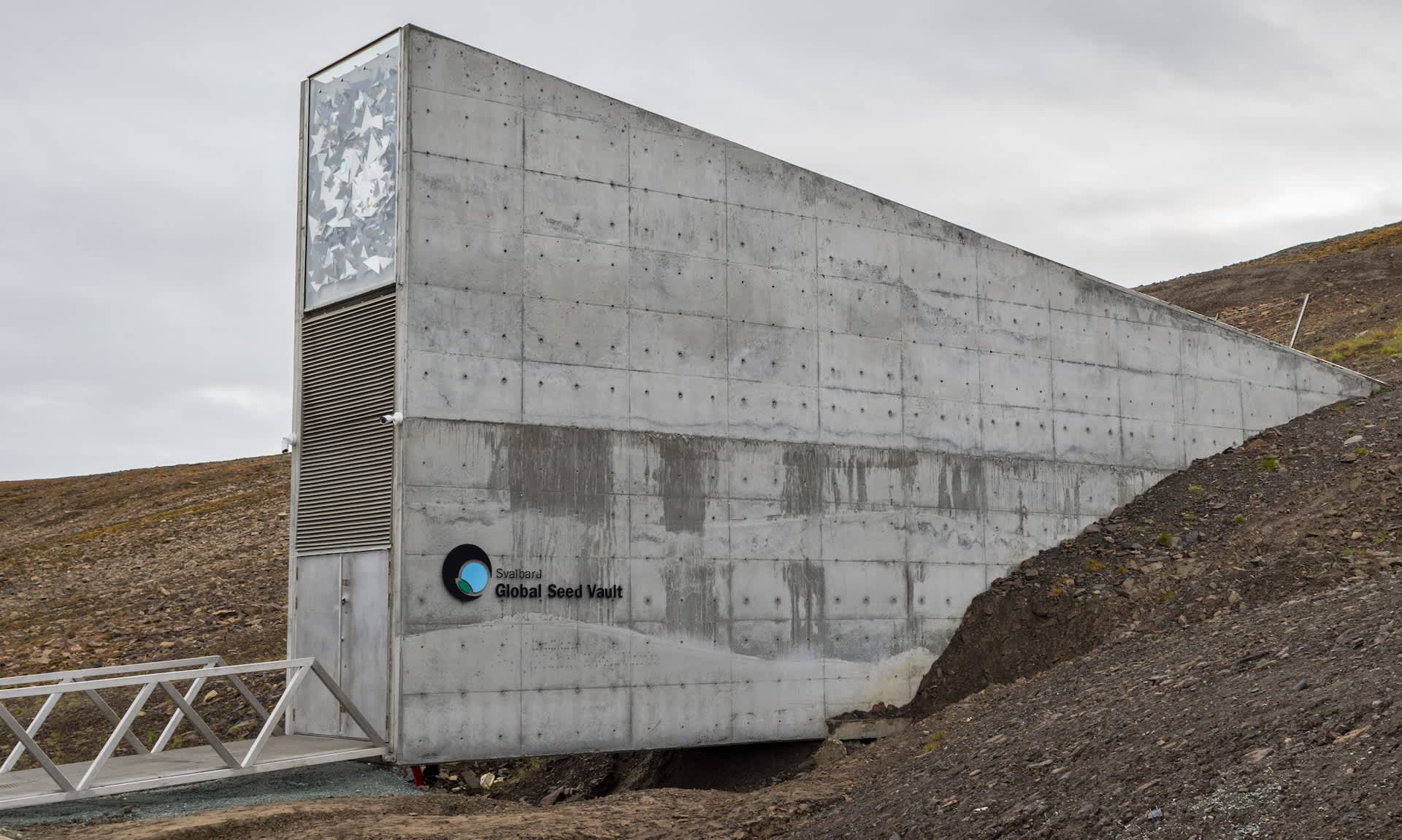
They discovered an average of over 5,000 buried seeds per 10.8 square feet, making this underground reserve far larger than human-built facilities like the Svalbard Global Seed Vault in Norway. The study also found a trade-off between seed quantity and plant diversity. Areas with many plant species did not always have the most seeds, while locations with dense seed stores often showed lower diversity, a pattern observed across various ecosystems.
Tropical environments generally showed high species richness but lower seed density, while farmland tended to have the opposite. This natural seed bank is critical for ecosystem recovery after disruptions like floods or extreme weather, allowing plant life to return without human intervention. Healthy plant communities support food production and protect water systems. Researchers found that undisturbed habitats held more seeds, suggesting human activity may be diminishing this resource when ecosystems need it most.
Scientists can now use this data to better inform restoration efforts and prioritize habitat protection, supplementing the work of facilities like Svalbard which safeguard crop diversity.