Puerto Rico proposal offers homeowners payments for surplus solar power
Headline and summary by local AI
Casa Pueblo, a community environmental organization in Puerto Rico, proposed a plan to turn rooftop solar owners into energy suppliers to lower electricity costs across the island.
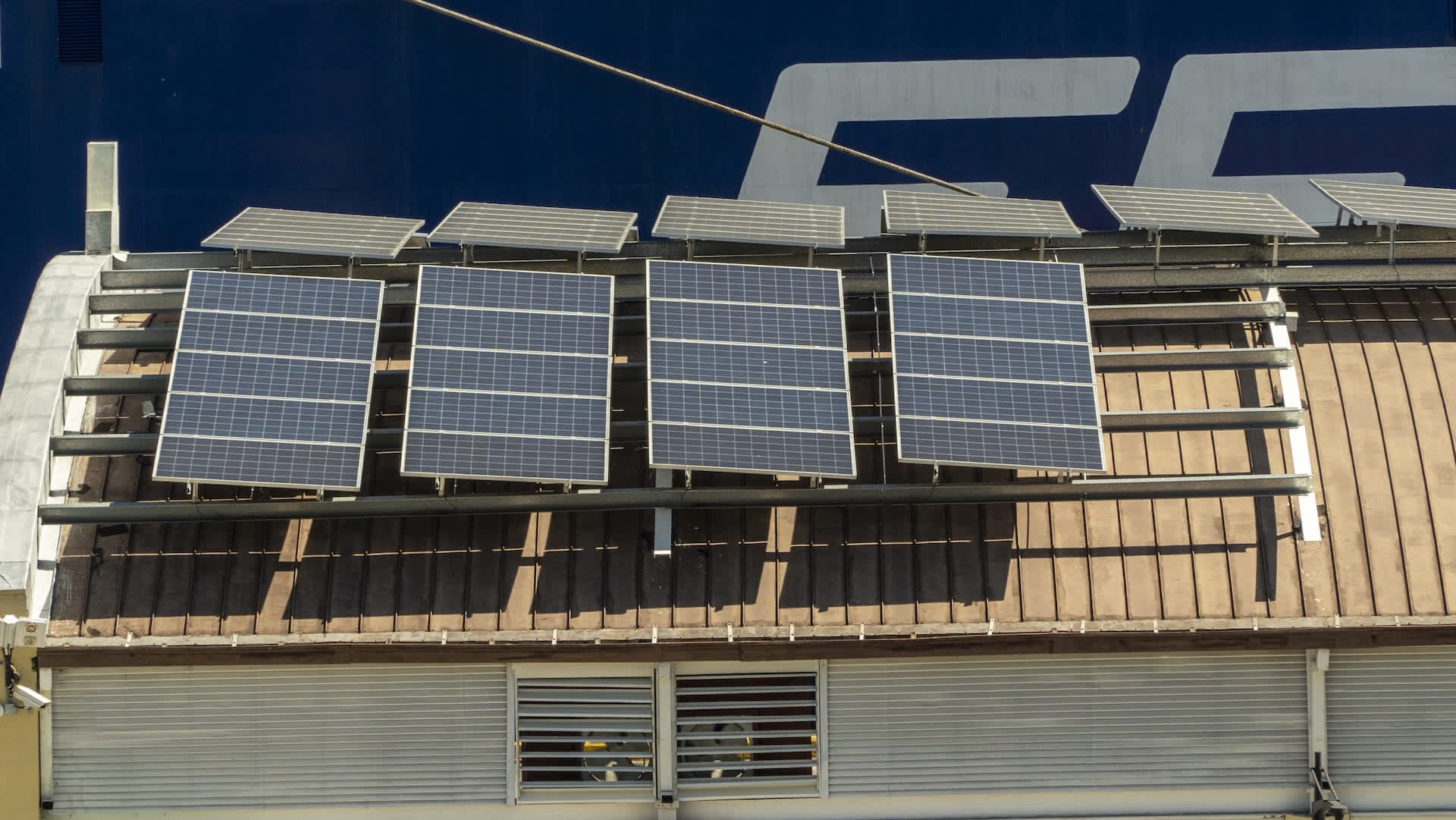
The initiative, known as Puerto Rico Pueblo Solar, aims to revise net metering rules to allow homeowners and businesses to sell surplus electricity through regulated power purchase agreements. Casa Pueblo says approximately 261,000 Puerto Rican households already use solar systems, providing a combined capacity of about 1,456 megawatts.
The organization wants the transmission and distribution operator, LUMA Energy or its successor, to purchase this extra power in an open, regulated market. Casa Pueblo argues that buying surplus electricity would avoid new public debt while lowering costs. The organization claims the current fuel adjustment charge is about 2.5 times higher than the proposed purchase price of 7 to 8 cents per kilowatt-hour.
This proposed rate is lower than the 16 to 21 cents per kilowatt-hour typically spent on large-scale solar and wind projects. The plan favors using existing rooftops and urban spaces instead of converting agricultural land for utility-scale projects. The proposal includes a reduced daytime rate for all customers, including those without solar panels. It also suggests supporting energy cooperatives and revenue-sharing arrangements for residents who cannot afford their own systems or lack suitable rooftops.
To support these goals, Arturo Massol Deyá, the executive director of Casa Pueblo, called for modernizing the grid infrastructure and control systems to handle distributed generation.
Selected and summarized by local AI How we work
Solutions: Technology, policy and initiatives already in use against a real problem, with results to show.
More in Solutions

Pediatric care changes increase adolescent sexually transmitted infection screening
medicalxpress.com · 5 Nov 2026

Burundi president donates avocado seedlings to Republic of Congo
taarifa.rw · 7 Nov 2026
Guyana establishes standardized healthcare procedures for sexual violence survivors
inewsguyana.com · 13 Nov 2026