European Union sets deadlines to ban microplastics in personal care products
Headline and summary by local AI
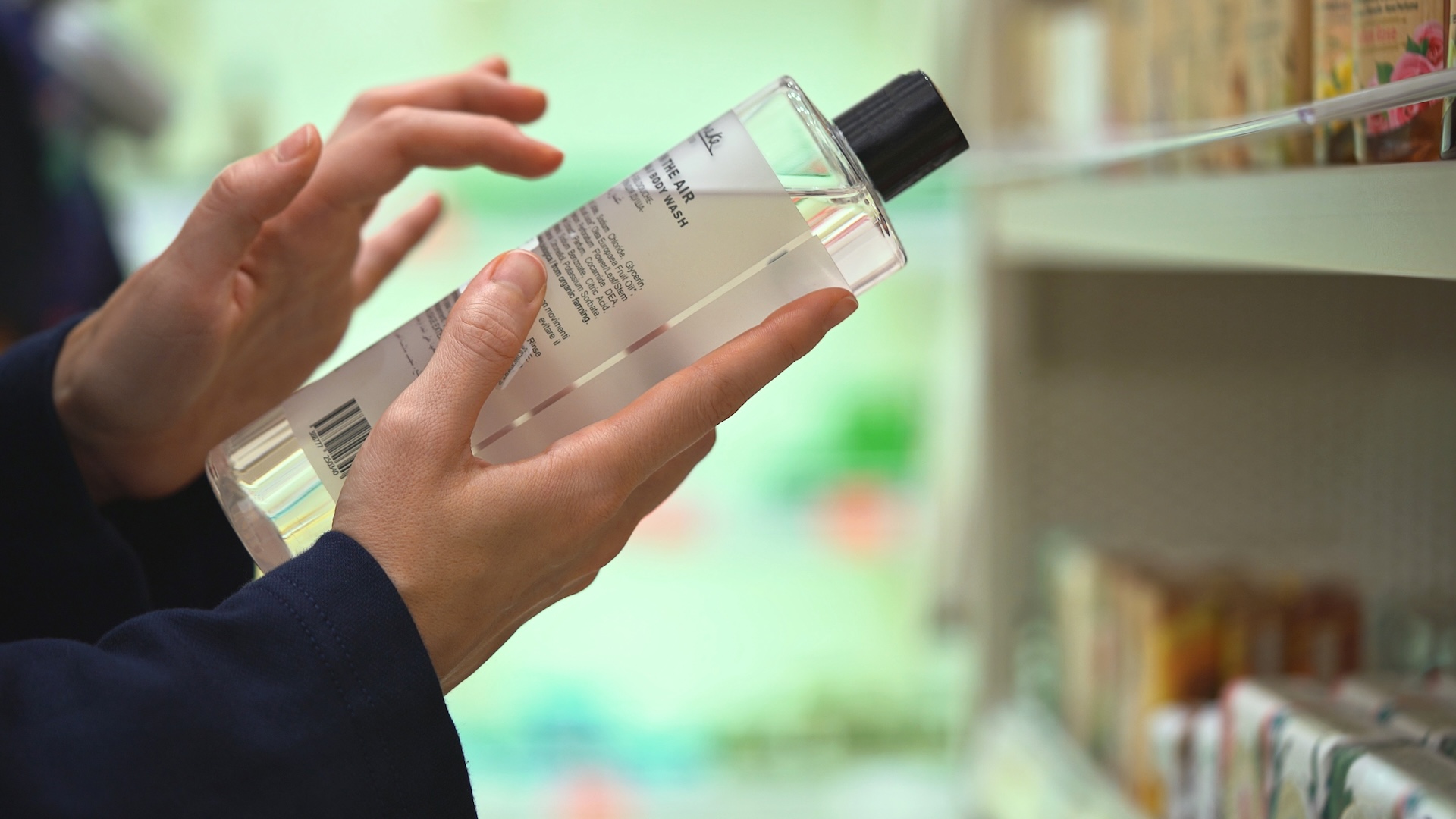
Manufacturers of shampoo and shower gels must remove certain intentionally added microplastics from products sold in the European Union by October 17, 2027.
The European Union adopted these regulations in September 2023 to prevent persistent synthetic polymer particles from entering the environment when consumers rinse off cosmetics. The new rules target microscopic synthetic polymer particles that are not water-soluble and do not biodegrade easily.
While the EU banned plastic microbeads for cleaning, exfoliation, and polishing immediately on October 17, 2023, other products have staggered deadlines. Companies have until the 2027 date to reformulate rinse-off cosmetics to stay on the market. Other categories face different timelines based on how the ingredients are used. The deadline for microplastics in cosmetics left on the skin and particles used to encapsulate fragrances is October 2029.
For makeup, lip products, and nail cosmetics, the European Union set a later compliance deadline of 2035. These changes require manufacturers to find alternatives to particles that currently stabilize formulas, adjust textures, or create specific effects.
Selected and summarized by local AI How we work
Solutions: Technology, policy and initiatives already in use against a real problem, with results to show.
More in Solutions

Malaysia releases 24,936 prisoners to reduce prison overcrowding
freemalaysiatoday.com · 22 Nov 2026

Nigerian health insurance scheme reduces maternal and neonatal deaths in Ogun State
thisdaylive.com · 17 Nov 2026
Greece reduces Value Added Tax gap through digital monitoring and new policies
protothema.gr · 23 Nov 2026