Japanese farmers build thousands of small dams to manage floodwater
Headline and summary by local AI
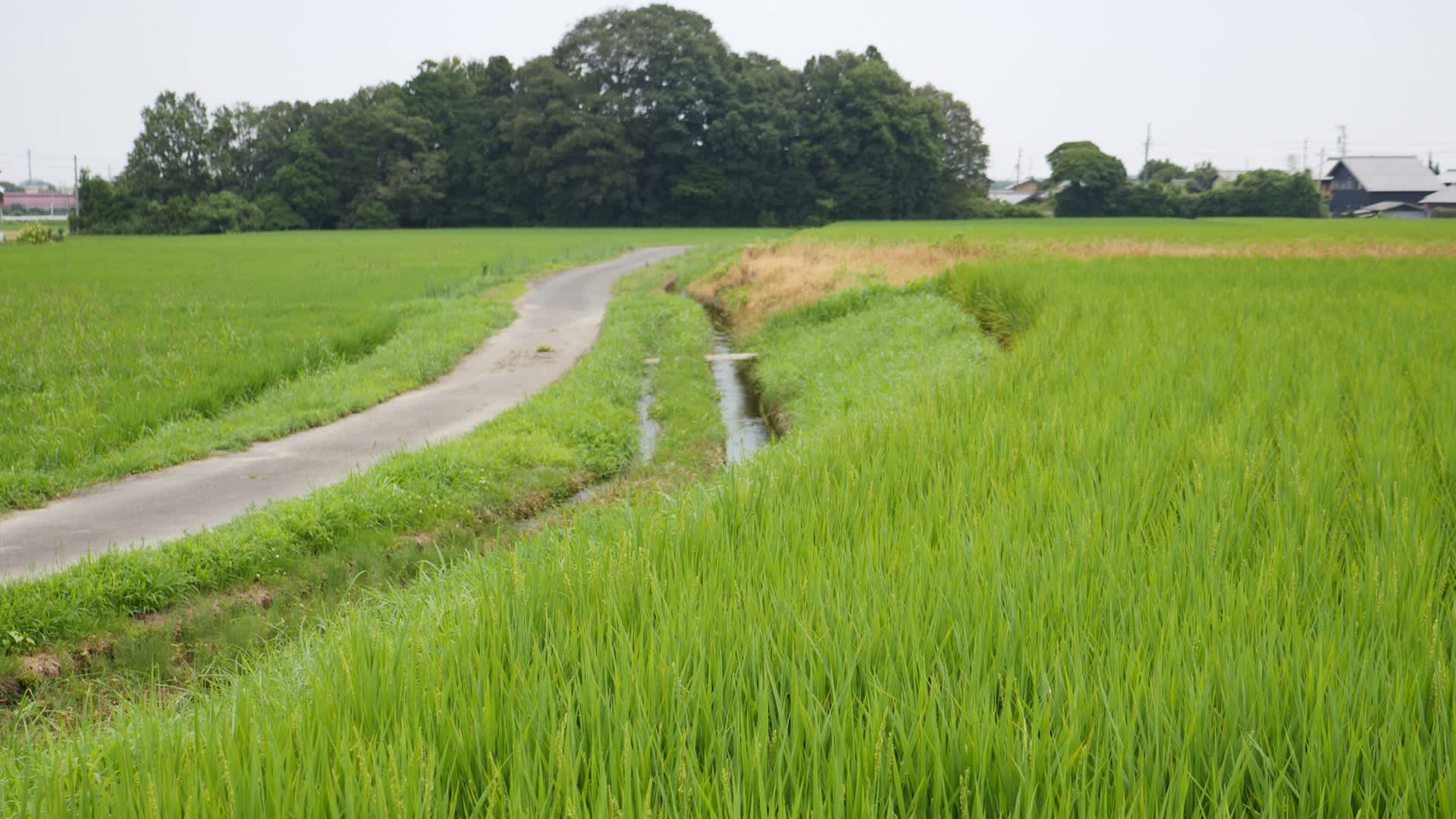
Farmers and local officials in Osaki, Japan, installed more than 5,000 compact earthen barriers in rice paddies to manage floodwater.
These barriers hold excess water within the fields and slow its flow into nearby rivers. The initiative began in 2021 as a response to river embankment failures that flooded the northeastern agricultural community in 2015, 2019, and 2022. The paddy dams cover about 4,200 acres, which represents 20% of the city's rice land.
Because rice fields can absorb rainfall and hold water within raised cultivation ridges, the dams use small openings to control the rate of water release. This strategy addresses concerns from the Japan Meteorological Agency that climate change is causing more frequent and intense heavy rainfall across the country. Osaki has used rice paddies for flood control since the 1960s, supplementing 300 years of reliance on engineered river embankments.
While Japan's total farmland has decreased by 30% since the early 1960s due to labor shortages and an aging population, the city aims to maintain these fields to preserve biodiversity and local heritage. Officials plan to use the city's status as a Globally Important Agricultural Heritage System to support farmer incomes and attract new residents to the area.
Selected and summarized by local AI How we work
Recovery: Ecosystems recovering, species returning, nature thriving or newly found, and protection already in force.
More in Recovery

Green turtles move to least concern status following conservation efforts
aljazeera.com · 14 Nov 2026

Mediterranean monk seal population grows to over 30 in Madeira
observador.pt · 23 Nov 2026

Uganda launches taskforce to increase large carnivore populations by 30 percent
allafrica.com · 19 Nov 2026