Pensacola begins groundwater cleanup after decades of pollution
Summary and headline written by AI from the source article. How we work
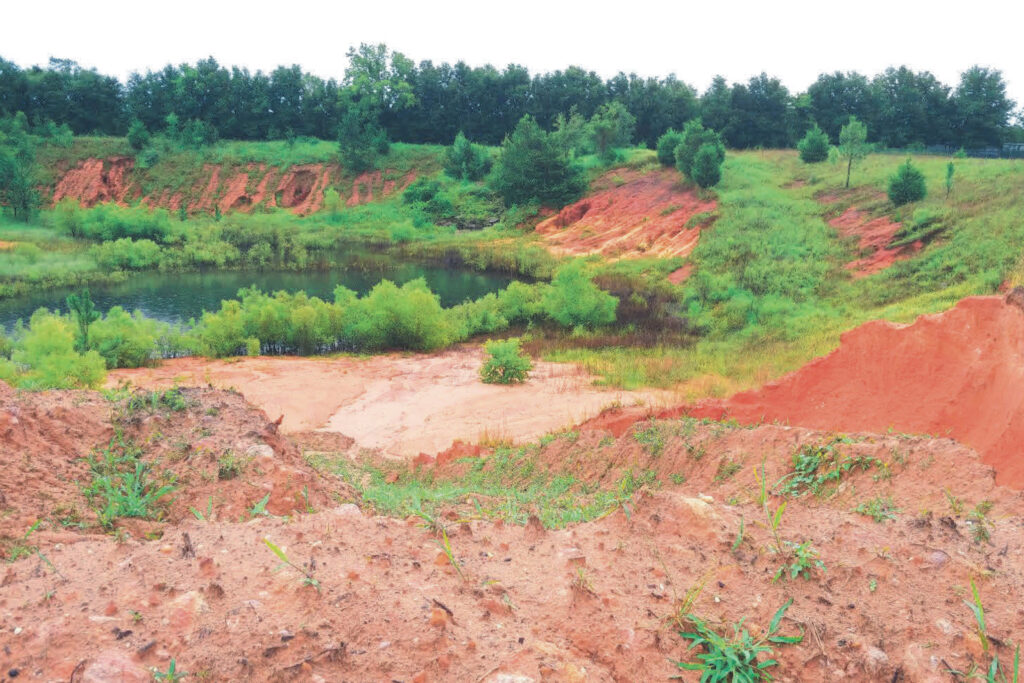
Residents of Pensacola, Florida, will see groundwater cleanup begin this fall at the former Escambia Wood Treating plant, a Superfund site contaminated for decades.
From the 1940s to the 1970s, discriminatory redlining practices confined Black homebuyers to neighborhoods bordering the plant and a fertilizer company, exposing them to pollutants like arsenic, lead, and creosote.
Escambia Wood Treating, owned in part by a former Pensacola mayor, coated wood products with toxic chemicals and disposed of waste in unlined pits, contaminating the soil and groundwater. After the plant closed and Congress passed environmental regulations, the U.S. Environmental Protection Agency (EPA) relocated around 400 households beginning in the 1990s, the third-largest Superfund relocation in U.S. history.
Cleanup of the soil finished in 2010, but funding shortages delayed groundwater remediation until now, thanks to a reinstated Superfund tax from the 2021 Bipartisan Infrastructure Law. Escambia County now owns the property, nicknamed “Mount Dioxin” due to a 60-foot pile of toxic soil, and plans to find a future use for the land, excluding housing.
While cleanup is scheduled to take three to five years, the county has yet to determine a long-term plan for the site, having previously considered and rejected proposals for a jail and soccer fields.