Most children recovered from COVID-19 disruptions
Summary and headline written by AI from the source article. How we work
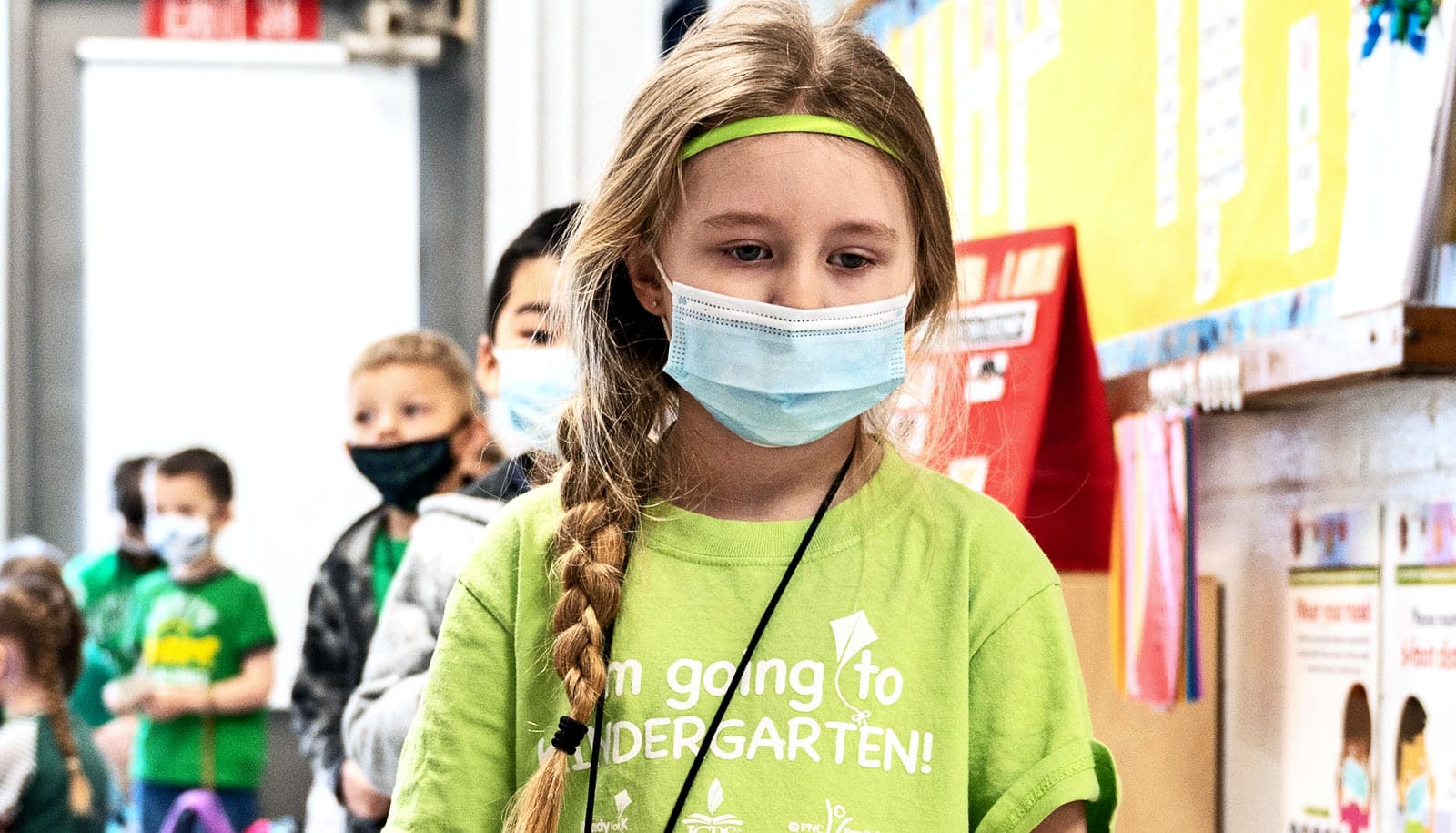
Researchers from the University of Texas at Austin and Georgetown University organized a review of 17 long-term studies from six countries and found that most children’s health, learning, social development, and well-being recovered after disruptions caused by the COVID-19 pandemic.
Initial studies during the pandemic predicted widespread and lasting harm to children, but this new research showed the impacts were less severe and often diminished over time.
The research team found that children demonstrated resilience, and the effects of the pandemic weren’t uniform across all children. Children already facing challenges like financial hardship experienced more lasting setbacks than others. Gabriela Livas of the University of Texas at Austin explained that children’s resilience prevented a universally catastrophic outcome. One of the 17 studies focused on low-income children in Tulsa, Oklahoma, who participated in early childhood programs.
Teachers reported that behavioral issues remained stable during and after the pandemic, with only a small decrease in prosocial skills like sharing and empathy. Researchers suggest that early reports of pandemic-related harm to children may have been too negative. Anna D. Johnson of Georgetown University noted the research challenges the idea of universal learning loss, and instead suggests that COVID-19 worsened existing inequalities.
The team emphasizes the importance of considering individual circumstances and resilience when evaluating the impact of major disruptions on child development.