Singapore updates renewable energy rules to curb greenwashing

Summary and headline written by AI from the source article. How we work
Minister of State for Energy, Trade and Industry Gan Siow Huang announced updates to Singapore Standard 673 to clarify how businesses claim renewable energy use.
The new rules require companies to back their sustainability claims with certificates linked to electricity physically supplied to the country's grid, whether produced locally or imported.
These changes aim to reduce greenwashing by ensuring that overseas projects which do not provide actual power to Singapore cannot be used to claim that local electricity consumption is renewable. While these certificates can still show support for global renewable development, they no longer validate local green energy claims. Gan Siow Huang said the move provides clarity for businesses and could make it easier for companies to invest in imported clean electricity.
The government is pursuing regional electricity imports to supplement domestic solar power. The Energy Market Authority recently gave Sembcorp Utilities conditional approval to import 1.3 gigawatts of electricity from Peninsular Malaysia, using sources like Vietnamese offshore wind and Malaysian solar. Because solar power is expected to meet only 10 per cent of Singapore's electricity needs by 2050, the city-state is also expanding domestic solar targets to 4 gigawatt-peak by 2035.
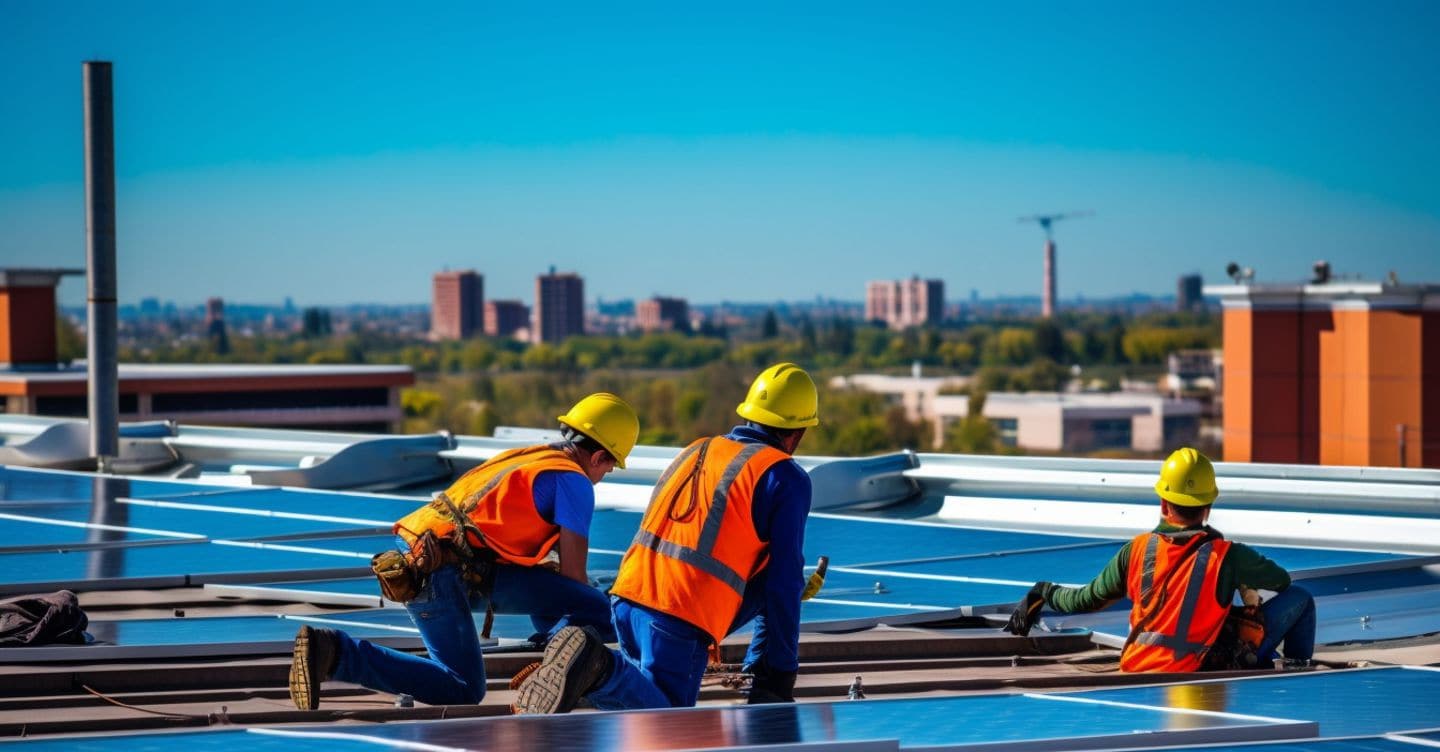
To reach these goals, officials are looking at unconventional surfaces for solar panels, such as building facades and water surfaces. The government plans to create a digital portal to help homeowners find installers for private solar projects. Additionally, agencies are testing overhead solar canopies and containerised solar systems to maximize the use of limited land.