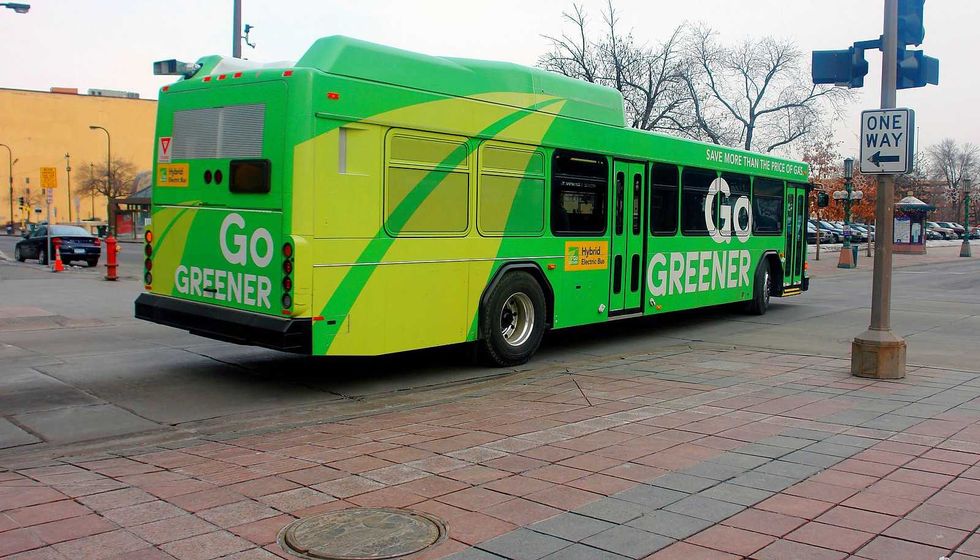
Europe’s cities increase electric buses, lag on emissions
Summary and headline written by AI from the source article. How we work
Across Europe, cities are adding electric buses to their public transit fleets, but overall transport emissions remain high.
DW and the European Data Journalism Network analyzed over a decade of data from more than 100 reports, finding 148 sustainability commitments from cities in 33 European countries. They discovered that Copenhagen nearly fully electrified its bus fleet, while Rome, Lisbon, and Nicosia still rely on diesel for over 90% of their buses.
EU funding has helped cities increase the number of electric buses by 55% between 2021 and 2025, adding 1,234 vehicles. However, transportation is the only major sector in the European Union where greenhouse gas emissions have not fallen below 1990 levels. The EU aims to cut transport emissions by 90% from 1990 levels by 2050, but progress is slow. Experts emphasize that shifting people from private cars to public transport is crucial.
Michela Le Pira, a transportation professor, notes that attracting passengers requires strategies like affordable group tickets and restrictions on car use. While electric buses reduce local air pollution, emissions from construction projects and other sources, like tire wear, also contribute to the overall environmental impact of transport systems.