Jharkhand officials plan new water infrastructure for Adivasi villages
Summary and headline written by AI from the source article. How we work
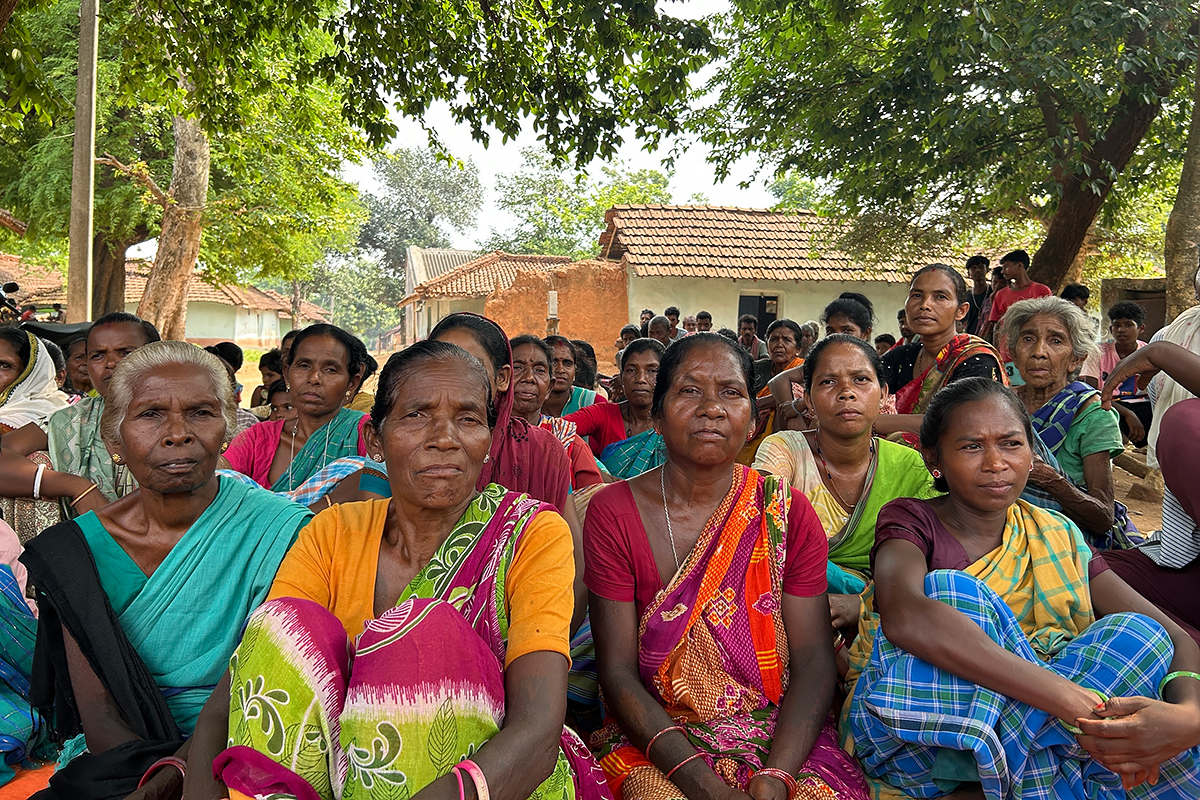
District authorities in the Dumka district of Jharkhand, India, are developing plans to provide drinking water to the Adivasi (Indigenous) villages of Ukhrapahari and Burhidangal.
These villages currently face severe water shortages, forcing residents to rely on natural ponds shared with cattle and wild animals. While a pipeline project under the Jal Jeevan Mission began in January 2025, administrative delays have pushed the full completion of the project to 2028.
Aniket Sachan, the deputy development commissioner of Dumka, stated that the administration is surveying water sources to address the scarcity. The plan includes digging high-yield deep tubewells to access groundwater at greater depths if current sources run dry after April. To manage the project, the administration is working with Pradan, an NGO based in New Delhi, to map aquifers and plan geographic information systems. The officials also face the challenge of convincing residents to provide land for these new interventions.
As an interim measure, the administration intends to procure water tankers with capacities of 3,000 to 5,000 litres. They plan to distribute these trucks to 25 Zila Parishad (District Council) representatives and provide INR 50,000 per vehicle for operating costs during the summer. Residents of Burhidangal, including Prem Hasda, noted that while officials visited during the monsoon when water levels were high, the most severe shortages occur between May and June.
The permanent piped water system remains the long-term goal for the 527 residents across 107 households in the two villages.