Central Asia addresses decades-old uranium waste
Summary and headline written by AI from the source article. How we work
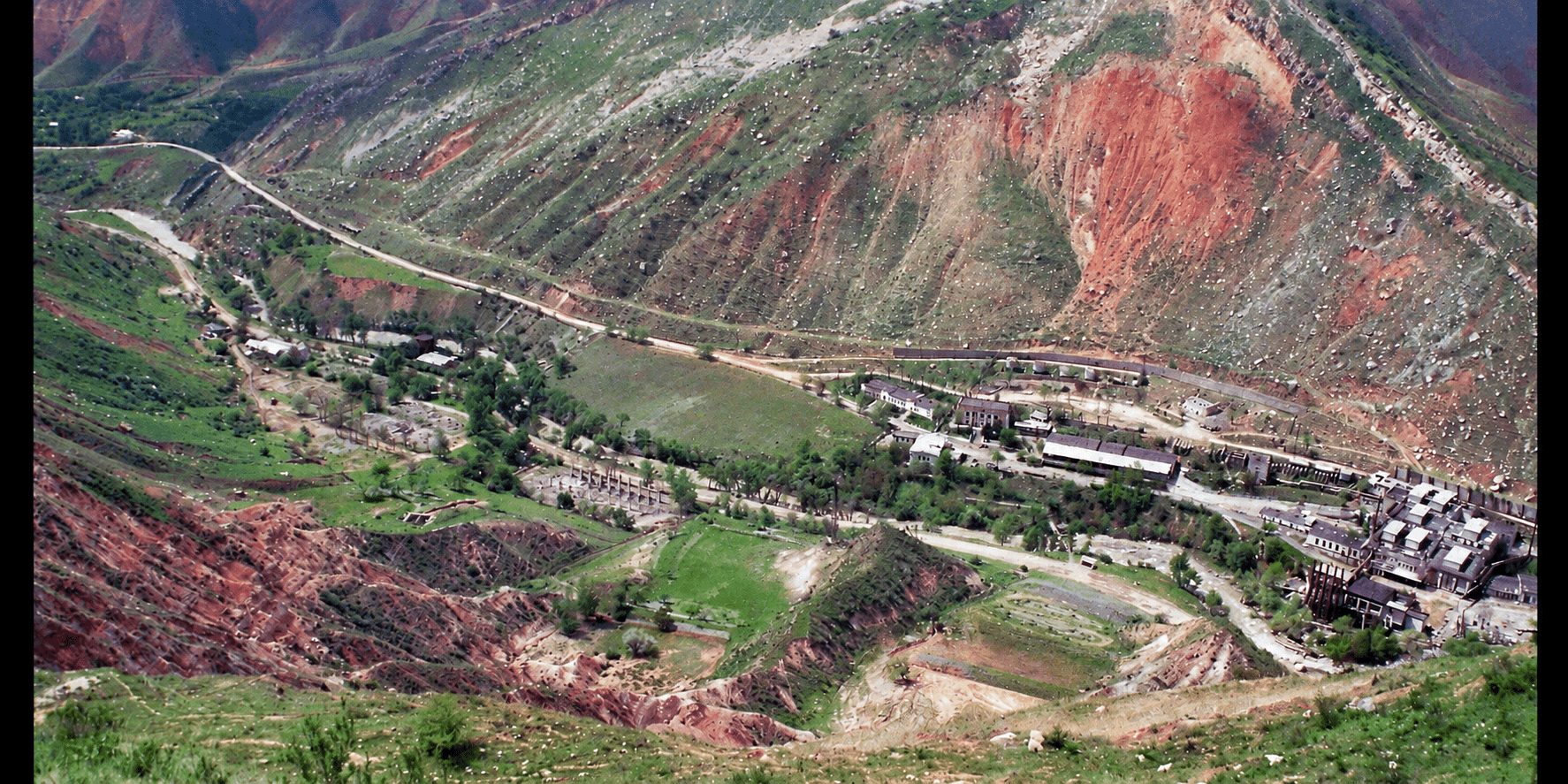
Engineers in Kyrgyzstan discovered uranium tailings within a dam structure at the former mining town of Mailuu-Suu, prompting a redesign and increased cost for the ongoing cleanup of radioactive waste.
The town, established in 1946 as part of a Soviet uranium program, left behind contaminated sites after mining ceased in the late 1960s. The International Atomic Energy Agency (IAEA) has tracked cleanup efforts across Central Asia since 2017, remediating four of seven priority sites.
The discovery at Mailuu-Suu revealed that material previously planned for in-situ stabilization needed relocation to prevent potential contamination of the Mailuu-Suu River, which flows toward the Uzbek border. A €23 million grant from the European Bank for Reconstruction and Development (EBRD) in 2023 funded initial work, including soil covers to limit water infiltration, but the dam’s instability demanded further action. The IAEA warns that an earthquake could cause the dam to collapse, releasing contaminated water.
Across the region, the EBRD and other organizations are working to remediate abandoned uranium sites, with the EU as a major donor. While progress has been made at sites in Kyrgyzstan and Uzbekistan, funding gaps remain for projects in Tajikistan. Beyond the physical cleanup, efforts also focus on establishing long-term monitoring systems and supporting economic development in former mining communities, including cultural tourism and local business initiatives.
Residents are actively involved in these efforts, seeking to build a future beyond managing the legacy of uranium mining.