Japan invests in Uzbekistan’s Aral Sea region with local projects
Summary and headline written by AI from the source article. How we work
Japan is funding several small-scale projects in Uzbekistan’s Karakalpakstan region, a part of the area affected by the Aral Sea crisis, to improve water management and support local economies.
Since 2020, the country has trialled water-saving technologies and wastewater treatment, including installing Japanese Johkasou units, compact biological wastewater treatment systems, at a rehabilitation center, kindergarten, and school. These units treated over 16,400 cubic meters of wastewater in their first four months.
Alongside the technology, Japan introduced local business models like the One Village, One Product movement (OVOP), originating in Japan’s Oita Prefecture, and the kaizen method of continuous improvement. Residents of Karakalpakstan are using OVOP to develop goods based on local skills and resources, such as a smoked-fish producer employing twelve people. Representatives from Uzbekistan travelled to Japan in 2024 to study these practices and Japanese water-saving agriculture. Japan also supports reforestation efforts.
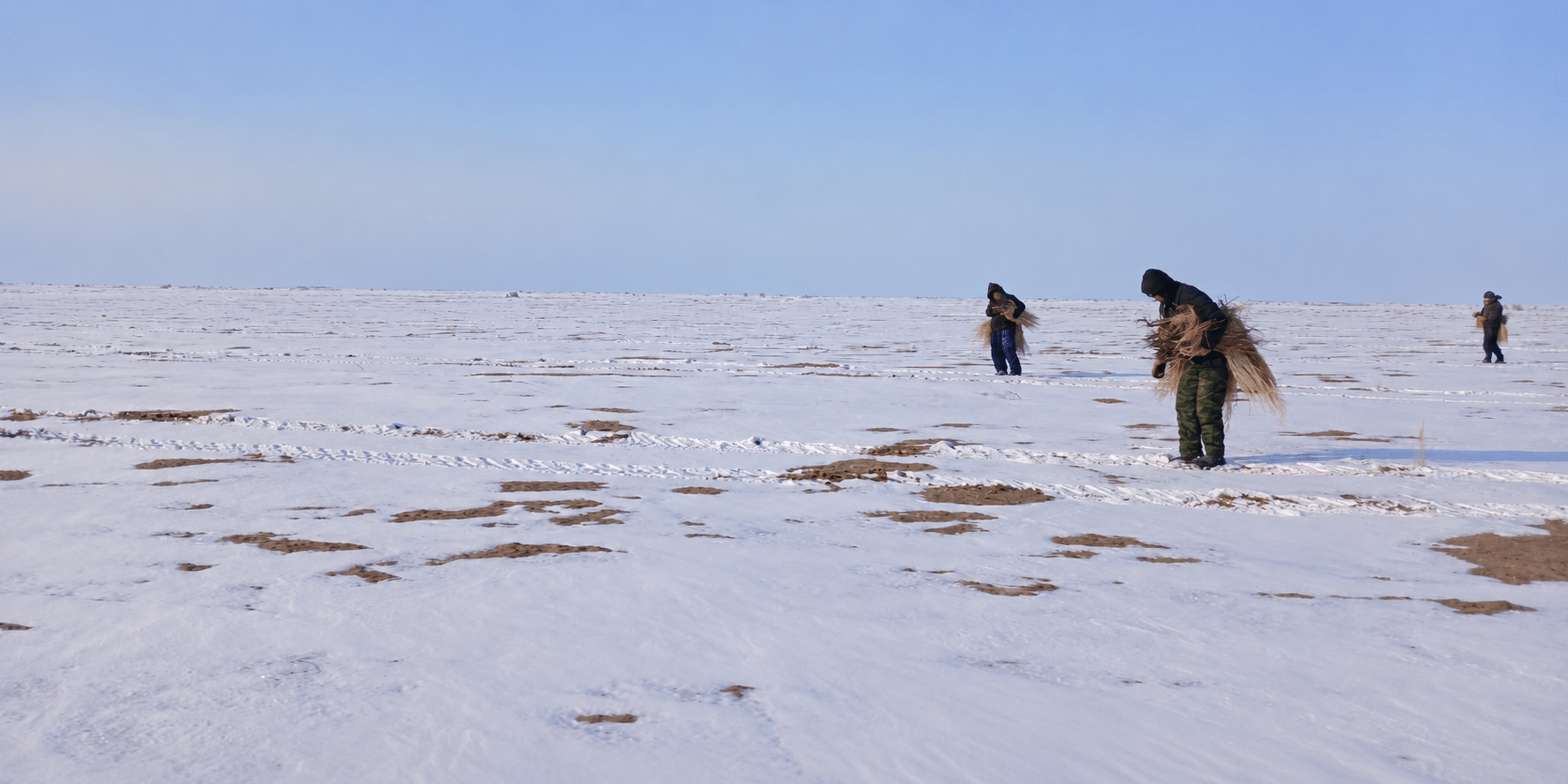
The United Nations Development Programme (UNDP) planted over 823,000 trees across 658.2 hectares between 2020 and March 2025, including 1,000 saxaul seedlings stabilized with a moisture-retaining polymer to help reclaim land from the dried Aral Sea bed. A new $4.6 million project launched in February 2026 will continue this work through 2028, benefiting over 1,000 farmers and households. Japan also funds similar water projects in Kazakhstan, including those focused on dam safety and the declining Caspian Sea.